Best Tourist Spots in Marinduque (2026 Guide to the Heart of the Philippines)
Marinduque is small enough to feel like one place and varied enough to never run out of reasons to stay another day. The heart-shaped island packs white-sand beaches and a vanishing sandbar, a 100-foot waterfall and an underground river, limestone caves and a sea of clouds, four-century-old churches and the country's defining Holy Week festival — all within a few hours' drive of each other on a single coastal loop.
This guide pulls together the island's best tourist spots, grouped by what you're actually in the mood for: a beach day, an island-hop, a waterfall, a cave, a climb, a soak, or a slow walk through heritage. Every place here is one we cover on the site, so you can tap through to the full details — how to get there, when to go, what to bring — on each spot's own page.
The short version
If you only have a weekend and want the highlights, these are the ones that show up on almost every Marinduque trip:
- For the postcard: Palad Sandbar and Maniwaya Island in Santa Cruz — the island's signature beach escape.
- For the classic beach day: Poctoy White Beach in Torrijos.
- For adventure: Bagumbungan Cave in Santa Cruz — a real underground river crawl.
- For nature: Paadjao Cascades in Mogpog, a 100-foot falls with a swimming pool at the bottom.
- For heritage: Boac Cathedral and the National Museum in Boac.
- For the soak: Malbog Sulfuric Hotspring in Buenavista.
Everything below expands on these and adds the spots worth knowing once you've covered the headliners.
Beaches
Marinduque's coast runs the full length of the island, and the beaches change character as you go around it — busy and social on the Torrijos side, quiet and almost private on the Mogpog and Boac stretches.
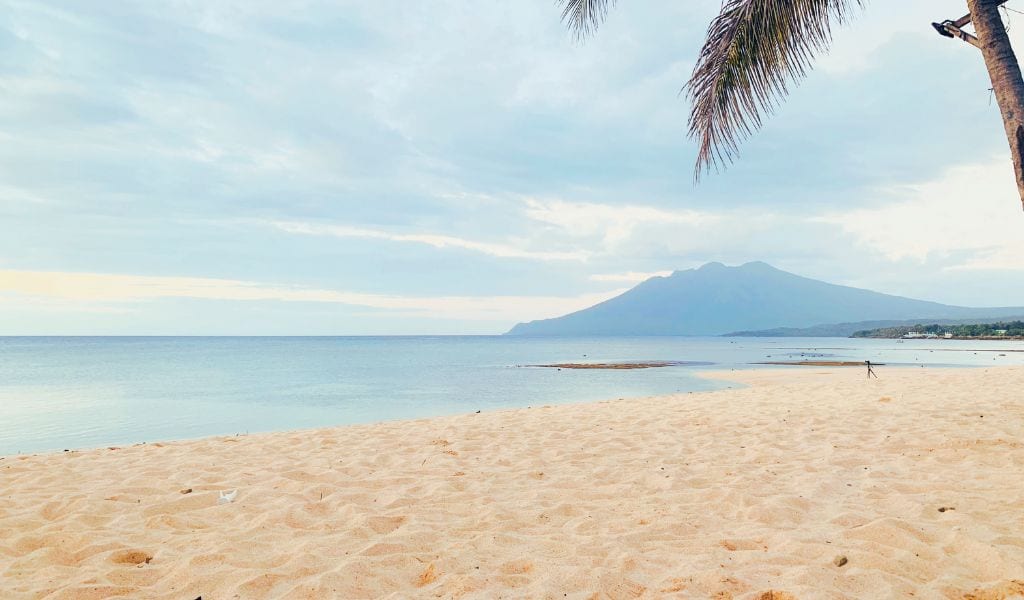
Poctoy White Beach — Torrijos. If the island has one beach name travelers consistently put on the must-do list, it's Poctoy. A stretch of genuine white sand and clean, warm, swimmable water, it's maintained by the municipality and ringed by accommodations and eateries, which makes it the easy choice for a full beach day with the family. It's the east coast's headline, and Mount Malindig watches over the whole thing from inland. Weekday mornings are calmest; weekends bring day-trippers from across the island.
Plan your visit: Weekday mornings are calm; weekends and holidays pack the sand and the parking gets tight. Bring cash for the small entrance and parking fee collected at busy times, plus water shoes for the patches where the sand thins to coral. From Balanacan Port it's a jeepney to Boac, then a van across to Torrijos — about 1.5–2 hours.
Stay nearby: Rendezvous Beach Resort and Villa Briones Homestay.
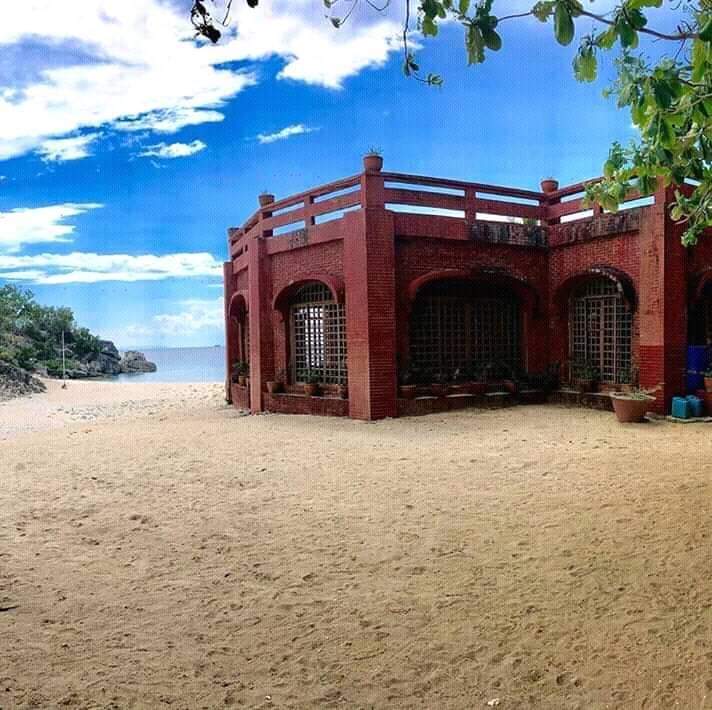
Natangco White Beach — Mogpog. For a long time Natangco was barely known, kept quietly to locals. It's open to the public now and still feels like a private paradise — soft, light sand and water clear enough to see your feet. It takes a short trip out to reach, which is exactly why it stays uncrowded.
Plan your visit: Go early on a calm dry-season day. It's undeveloped, so pack your own food and water and carry your trash back out — and arrange the banca and your return pickup before you cross.
Stay nearby: Casa Potenciana and Guisian Cove Resort.
Laylay Beach — Boac. On the western edge of Boac, Laylay is one of those quietly lovely pockets of coastline a short drive from the town proper. It's the kind of place you pick when you want the sea breeze and a little breathing room from the busier stops — a private slice of Boac's shoreline.
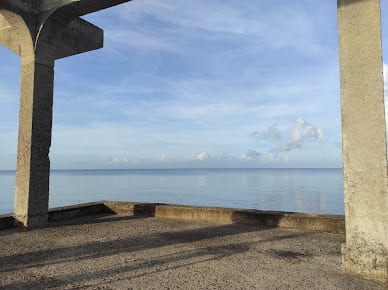
Plan your visit: A calm, sheltered local beach with unusual volcanic-tinged sand — bring water shoes rather than going barefoot. Catch a Boac–Laylay jeepney and get off near the mouth of the Boac River.
Stay nearby: Boac Beach Guesthouse and Casita Agnes Private Resort.
Crystal Blue Dive at Gasgas Beach — Mogpog. On the northwestern Mogpog coast in Guisian, Crystal Blue is the rare beach spot that's as much a playground as a shoreline. The signature feature is a floating cottage with a built-in slide and diving board — not a figure of speech. Cottage tiers start around ₱500 with life jackets included, and it shares its stretch of coast with Guisian Cove Resort.
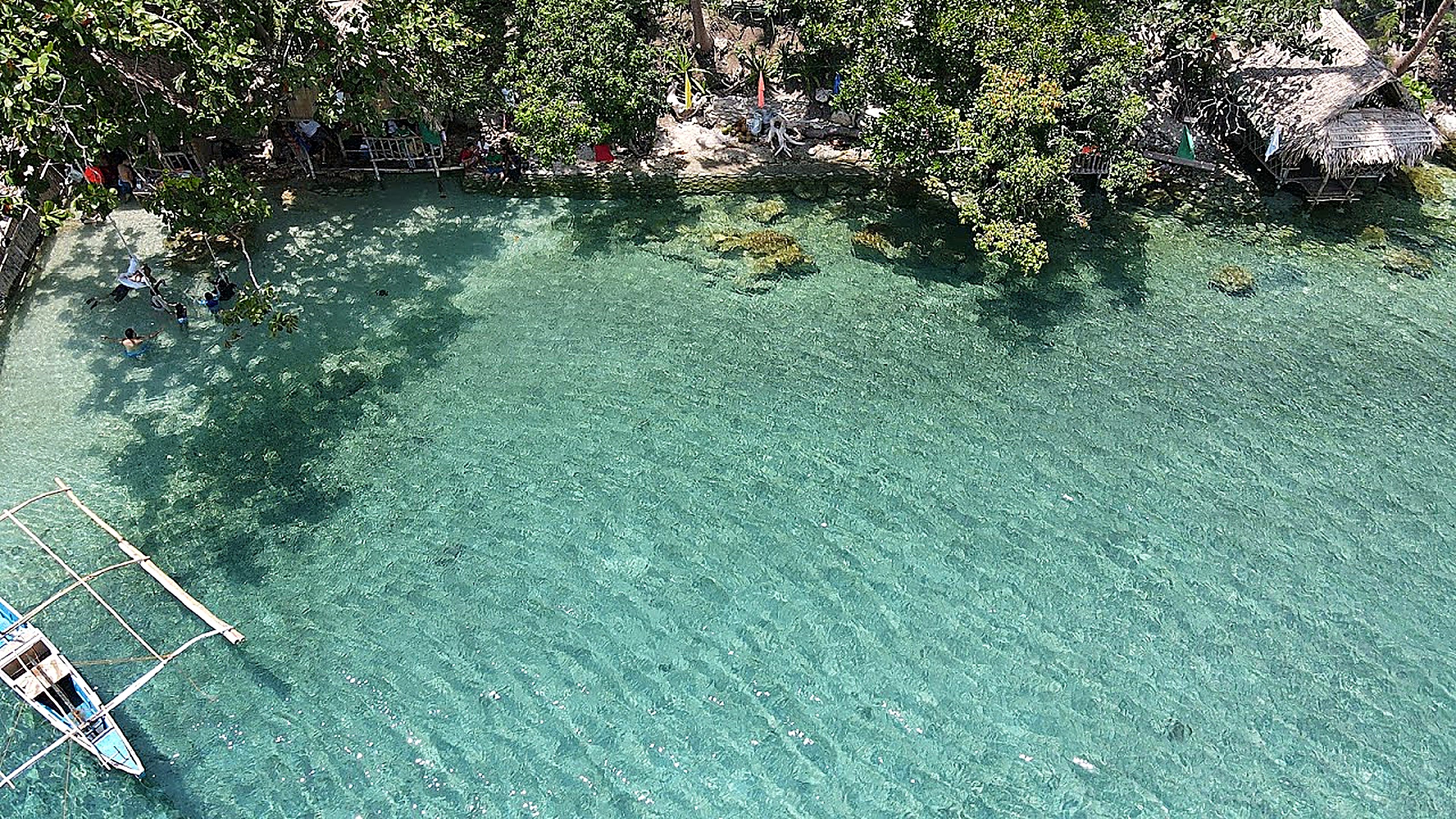
Plan your visit: Come on a weekday before 9 AM to claim the floating cottage with the slide; weekends fill with family bookings and it closes at 6 PM. There's no food on-site, so pack meals — and if you're a group of four or more, the slide cottage splits cheaply and is the whole point of coming.
Stay nearby: Guisian Cove Resort and Casa Potenciana.
Islands, sandbars, and rock formations
This is the Marinduque most people come for — the island-hopping circuit off the Santa Cruz and Gasan coasts, where a single boat day can string together a sandbar, an arch, and a couple of beaches.
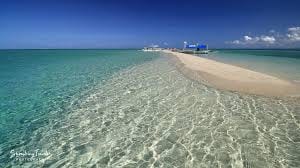
Maniwaya Island — Santa Cruz. The province's most popular and recognizable island: white-sand beaches, clear turquoise water, and the famous Palad Sandbar nearby. If you came to Marinduque mostly for the islands, Maniwaya is the answer to "where do I go?" It's reached by banca from Buyabod Port and works as either a day trip or an overnight.
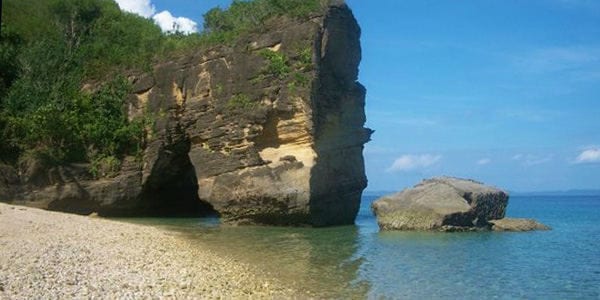
Plan your visit: Go midweek in the dry season for quiet and clear water. The launch is Buyabod Port in Santa Cruz — not Balanacan — and there are no ATMs on the island, so bring all the cash you'll need.
Stay nearby: Playa Amara and Residencia de Palo Maria.
Palad Sandbar — Santa Cruz. The island's most photographed natural formation, and it earns it. A ribbon of powdery white sand and clear turquoise water that appears off Maniwaya only at low tide and vanishes again as the tide returns — the kind of place that sells itself in a single image. Time your visit to the low tide, because that's the whole show.
Plan your visit: The whole show is the low tide, and the timing shifts daily — ask your boatman the morning of. There's zero shade out there, so go heavy on the sunscreen, and fold it into an island-hop out of Buyabod Port.
Stay nearby: Cozea Beach Lodge and Wawie's Beach Resort.
Tres Reyes Islands — Gasan. Named for the biblical Three Kings — Gaspar, Melchor, and Baltazar — this trio of islands off Barangay Pinggan has been one of the province's signature island-hopping destinations for years. Each island has its own character, and together they make a satisfying half-day on the water off Gasan's sunset coast.
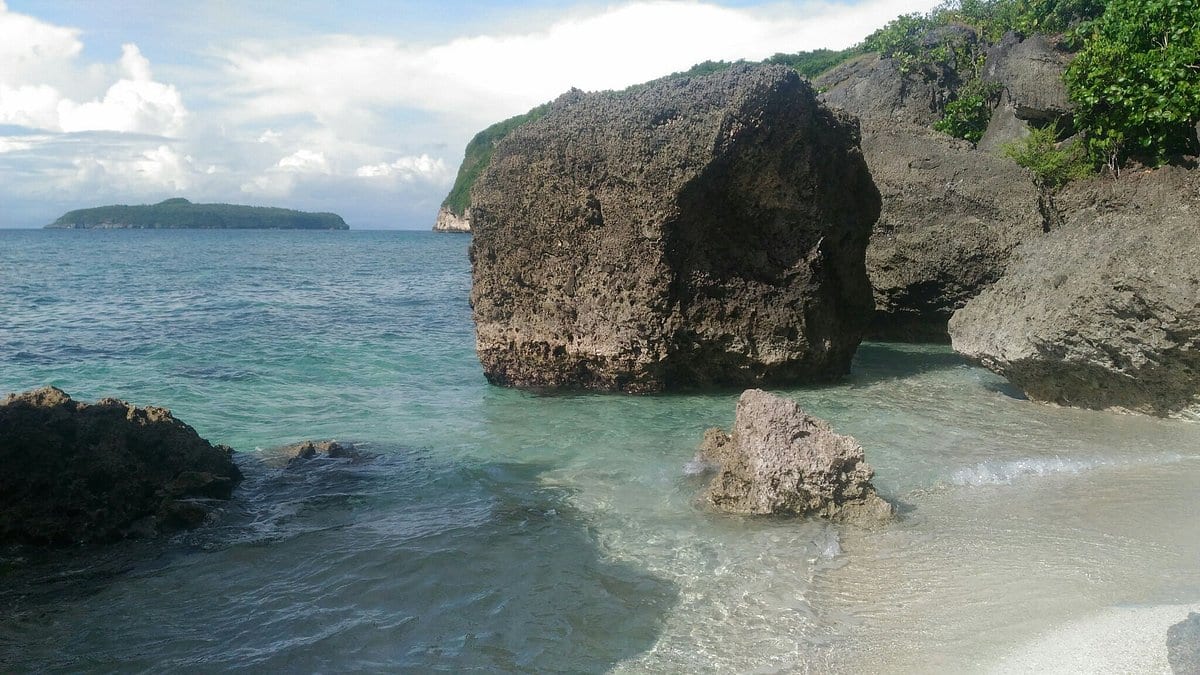
Plan your visit: Cross in the morning during the dry season, before the wind. There's little shade, so load up on sunscreen, and wear water shoes for the sharp coral. Boats leave from Pinggan dock — a tricycle from Gasan Centro knows it.
Stay nearby: Island Breeze Beach Resort and A & D Hotel and Restobar.
Baltazar Island Lighthouse — Gasan. Rising from Baltazar, one of the Tres Reyes islands, the lighthouse — also called the Los Tres Reyes Lighthouse — has been a fixture of these waters for well over a century. It ties together history, navigation, and the kind of diving that still draws underwater explorers to this part of the coast.
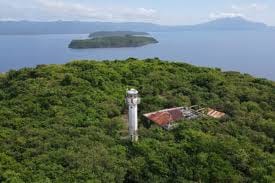
Plan your visit: Cross in the morning in the dry season before the wind picks up — afternoon trips get cancelled when seas turn rough. Most boatmen fold it into a Tres Reyes island-hop, so wear sturdy shoes for the short rocky climb and bring a dry bag.
Stay nearby: A & D Hotel and Restobar and Island Breeze Beach Resort.
Ungab Rock Formation — Santa Cruz. On the eastern coast of Mongpong Island, Ungab is a striking arch carved by years of erosion, standing beside a beach in clear blue-and-turquoise water. For anyone doing the Maniwaya island-hopping circuit, it's usually the second stop and one of the most photographed.
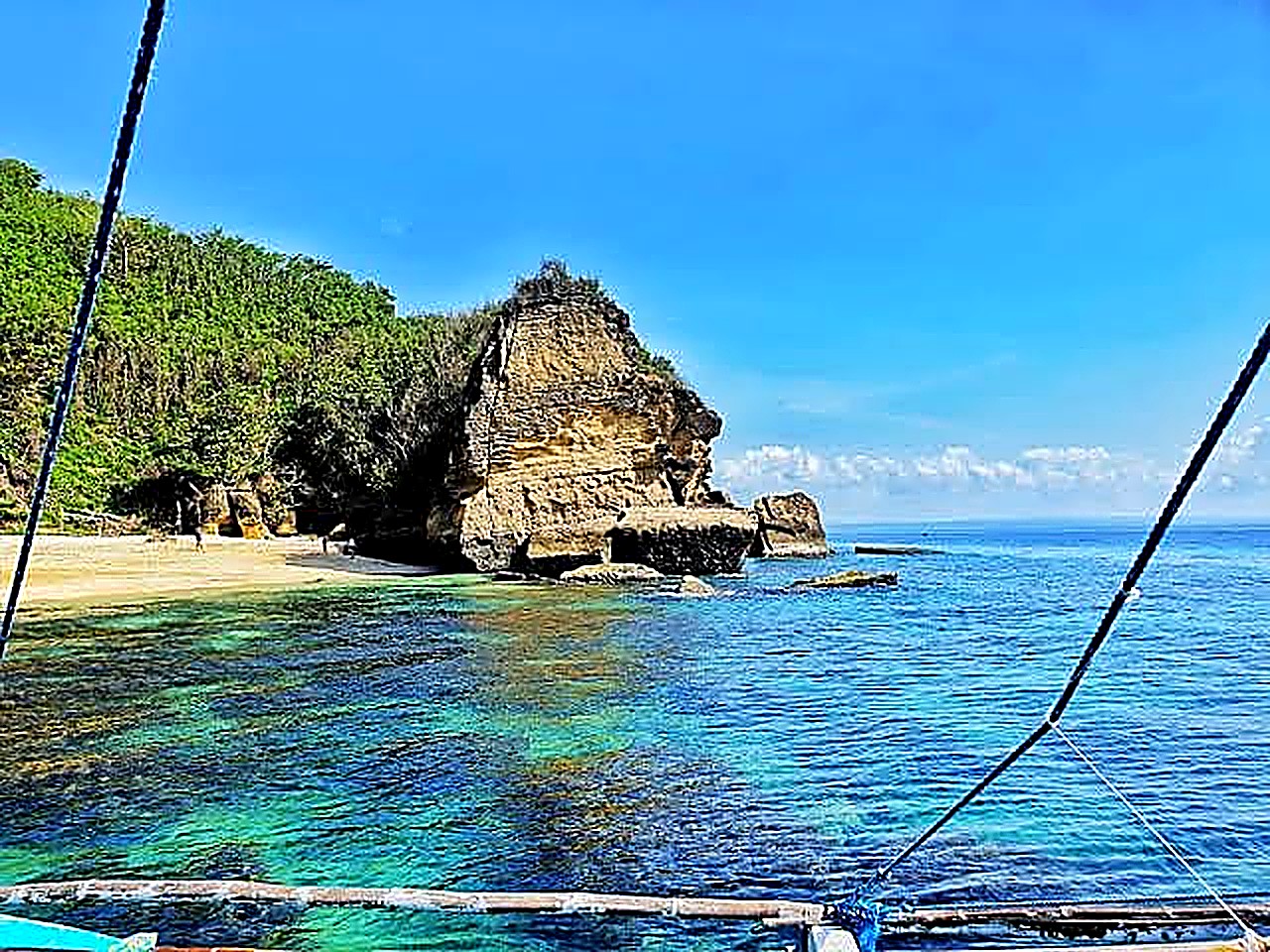
Plan your visit: Go at low tide in the dry season, when you can walk around the arch. The rocks are sharp, so wear sturdy shoes and tuck a small first-aid kit in your bag — most people reach it on a Buyabod island-hop.
Stay nearby: Residencia de Palo Maria and Cozea Beach Lodge.
Waterfalls
Paadjao Cascades — Mogpog. Hidden in Barangay Bocboc, Paadjao is one of the island's most rewarding nature stops — a 100-foot cascade flowing into a natural swimming pool, framed by tall forest trees and coconut groves. It takes some travel to reach, and the cold water and fresh air at the bottom are exactly the reward people make the trip for.
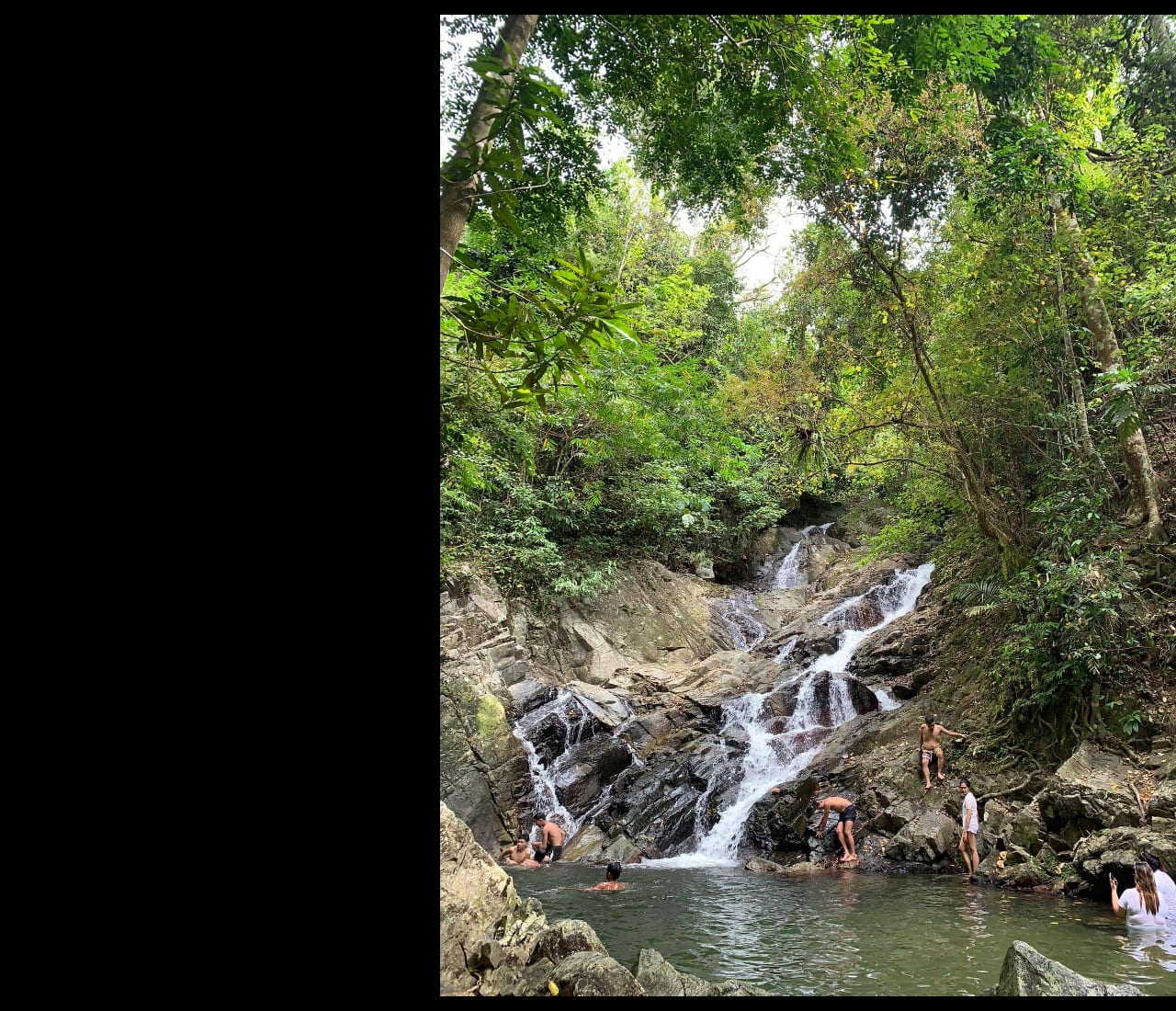
Plan your visit: Time it for just after the rains (October to early December), when the 100-foot cascade is at full volume; by dry season it thins to a trickle. Wear grippy shoes for the slippery trail, pack swimwear, and take a tricycle to Brgy. Bocboc — don't hike in alone after rain.
Stay nearby: Kubukiran and Shirley's Eatery & Lodging.
Kawa-Kawa Falls — Santa Cruz. In Barangay Bangcuangan, Kawa-Kawa has a feature you won't see at most falls: kettle-shaped pools carved into the rock by years of water flow. The name comes from the Filipino word for a large cauldron, and the rock basins really do look the part under the falling water.
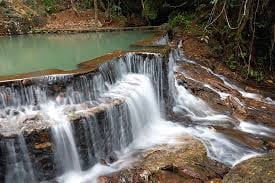
Plan your visit: Come right after the rains (October to early December) when the falls run hard. The trail is slippery, so wear shoes with real grip, pack swimwear and a dry bag, and take a guide if it's your first time finding it.
Stay nearby: Villa d' Arco Resort and Jethro Hotel and Resto.
Caves and rock formations
Santa Cruz and the island's interior hide a surprising amount of underground — Marinduque quietly sits on some of the more interesting cave systems in the region.
Bagumbungan Cave — Santa Cruz. The island's headline caving experience: a 1.9-kilometer underground network of stalactites, stalagmites, an underground river, and waterfalls. It's beginner-friendly enough for first-timers but real enough that you'll come out muddy, wet, and grinning. If you want a Marinduque adventure that goes beyond the beach, this is the one.
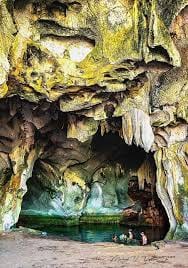
Plan your visit: Go in the dry season (November–May) and start in the morning — the rains can flood it. Wear shoes with real grip and bring a headlamp, not just your phone. Register at the Bagumbungan barangay and take a guide; this isn't a cave to do alone.
Stay nearby: Cavesera Residencia and Guisian Cove Resort.
Talao Cave — Gasan. Deep in the forested interior of Barangay Tiguion, the Talao system is a maze of caverns, sinkholes, and multi-level chambers — some sources count seven caves, others twelve. It's one of the more unusual caving destinations in the island's south-central stretch, and it rewards travelers who like their trips a little wild.
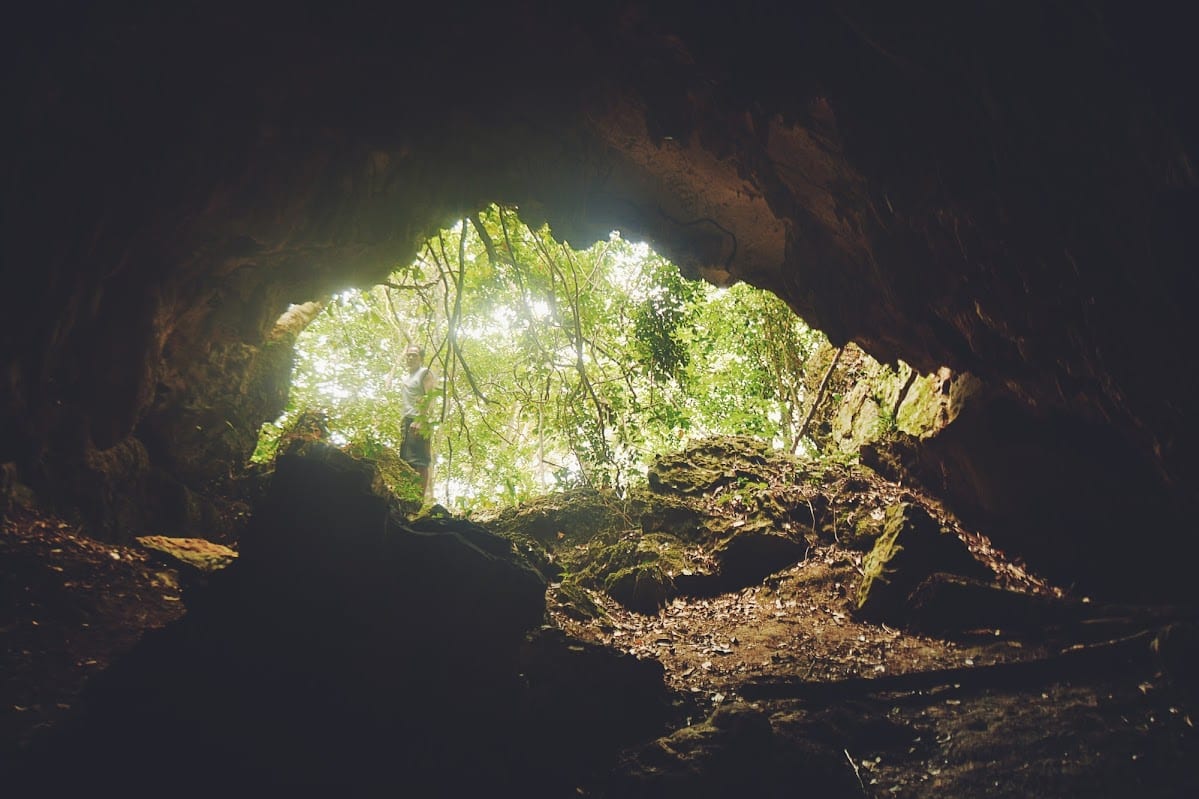
Plan your visit: Stick to dry-season mornings — the rains flood the lower chambers. Wear grippy shoes and bring a real headlamp, then register and pick up a guide at Brgy. Tiguion; the maze of chambers and sinkholes isn't safe solo.
Stay nearby: Luxor Resort and Happyroo & Spencer Inn.
Bathala Caves — Santa Cruz. Tucked in Sitio Bathala, Barangay Ipil, this complex carries folkloric weight alongside the geology: it's believed to be the dwelling place of Amang Bathala, the supreme god of the ancient Tagalogs. The blend of genuine cave wonder and cultural backstory makes it feel like a place of pilgrimage as much as an adventure.
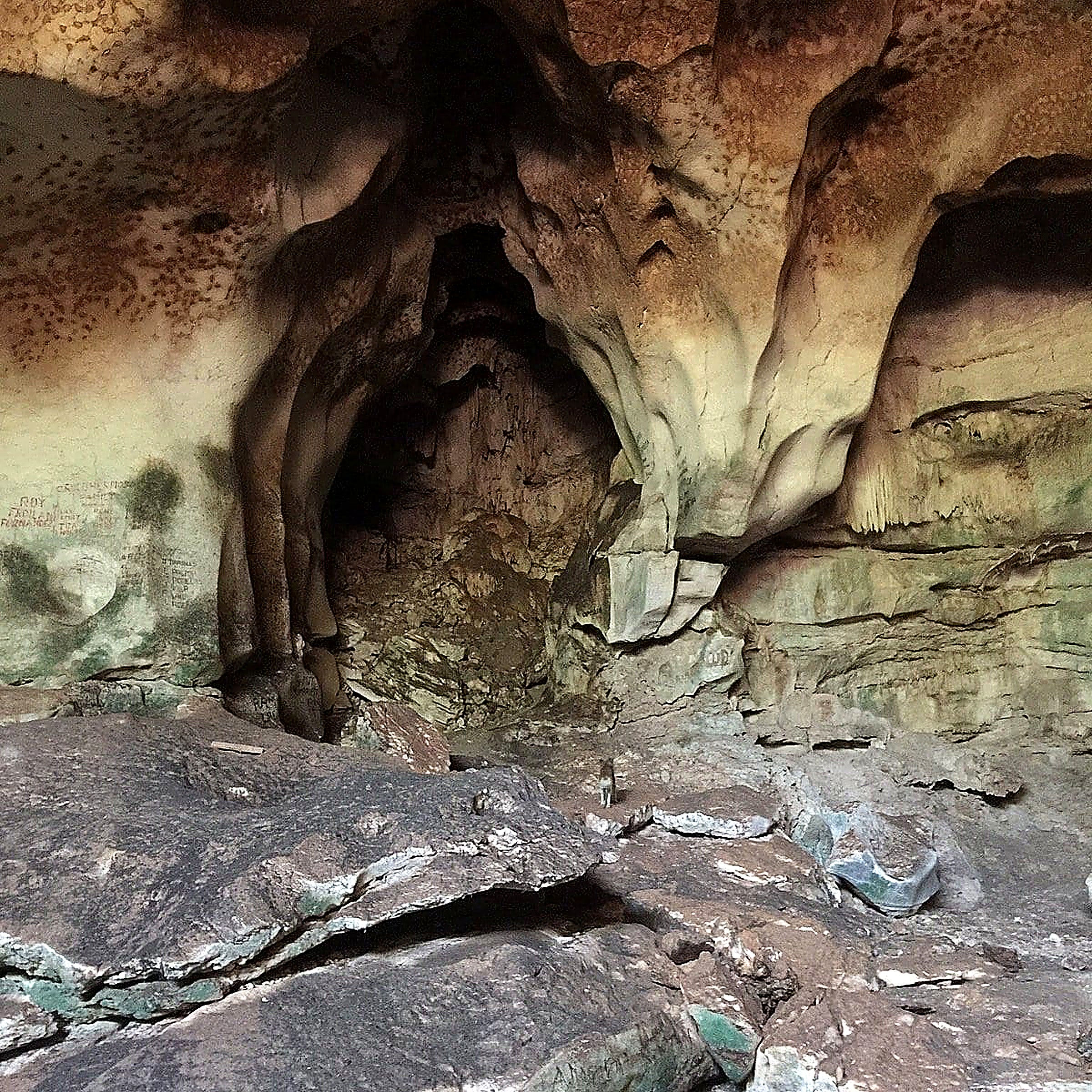
Plan your visit: Visit in the dry season, mornings — some of the seven caves flood in heavy rain. Wear grippy shoes and bring a strong headlamp, then register and arrange a guide at the Ipil barangay hall before going in.
Stay nearby: Jethro Hotel and Resto and Villa d' Arco Resort.
Tarug Rock Formation — Mogpog. Also known as Tarug Caves and locally as Highstone, this is a set of three-chambered limestone caves that rise steeply to over 900 feet, ending in a pinnacle barely three square meters wide. It doesn't make most travel brochures, which is a shame — it's one of the most arresting rock formations in this part of the country.
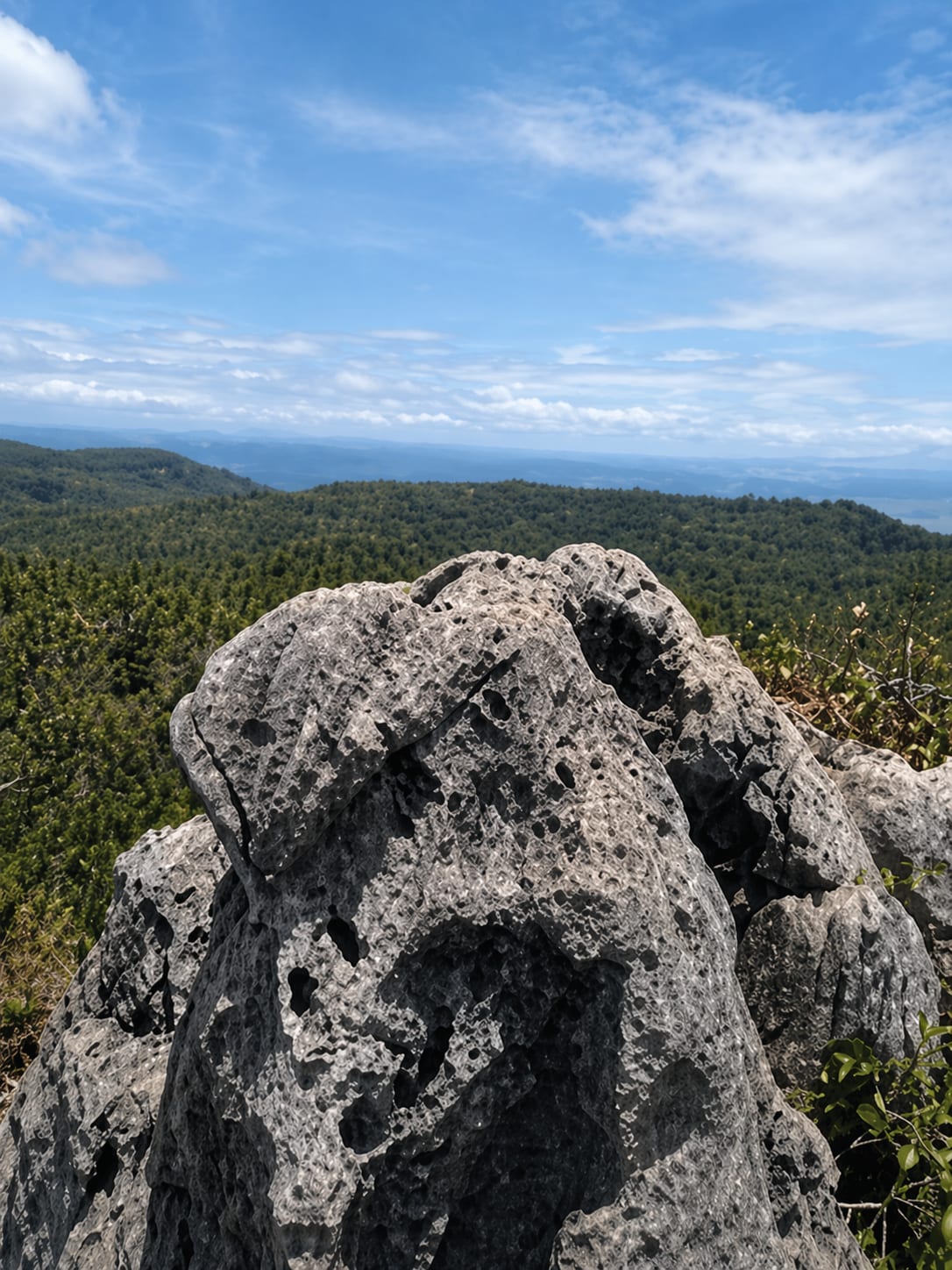
Plan your visit: Climb early or late in the dry season — the bare limestone is brutal at midday and slick after rain. Wear shoes you don't mind scuffing on sharp rock, and register for a guide at Brgy. Tarug; the route has exposed scrambling you shouldn't do alone.
Stay nearby: Kubukiran and Ulong Bay Beach Resort.
Mountains, hills, and viewpoints
Mount Malindig Base — Buenavista. On an island better known for beaches and heritage, Mount Malindig quietly holds the crown as Marinduque's highest peak — a potentially active stratovolcano at the southern end of the province. The Sihi trail in Buenavista is one of two standard jump-off points, and the climb is the island's serious outdoor objective.
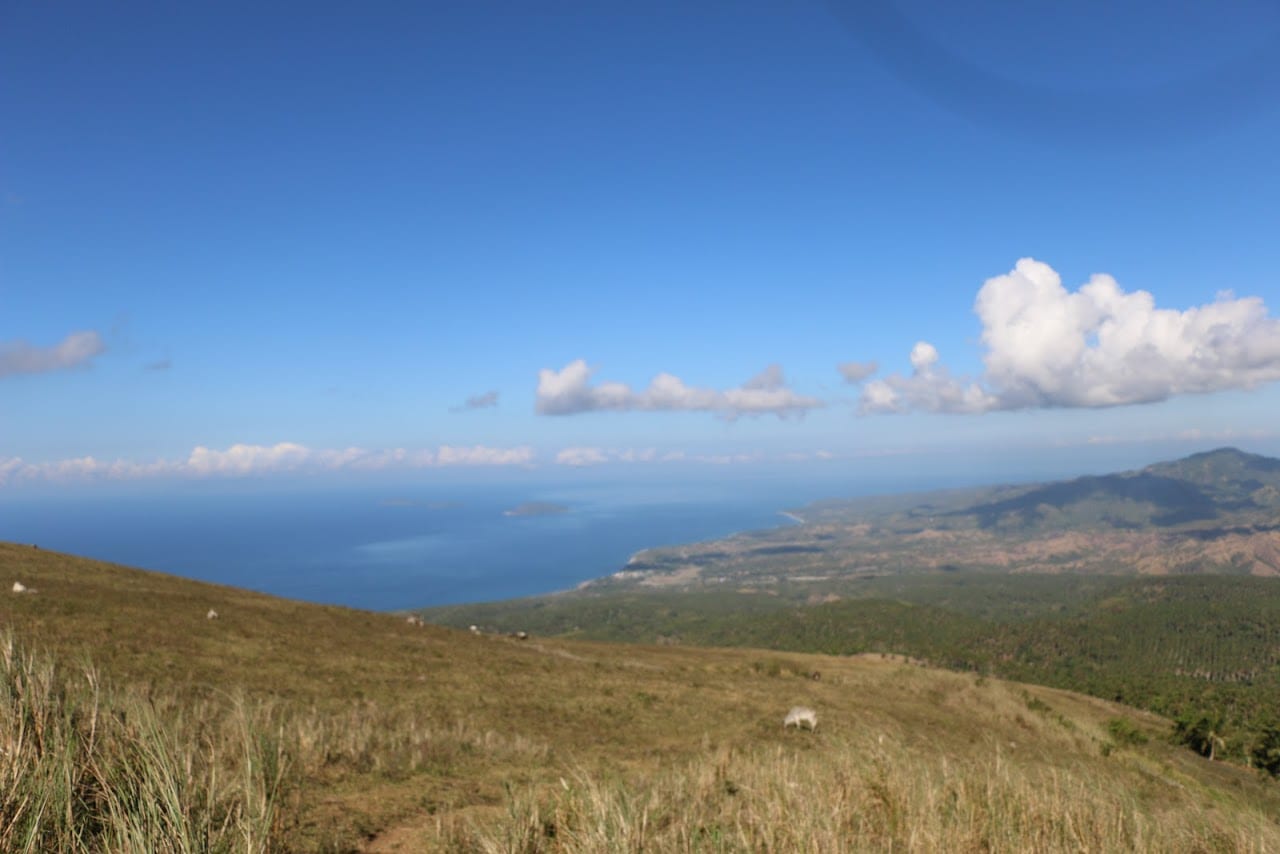
Plan your visit: This is a real climb — attempt it in the dry season only, starting before dawn. Carry 2–3 litres of water and proper trekking shoes, and arrange a guide through the Sihi barangay. Don't go up Malindig solo.
Stay nearby: Kenemeking Spring Resort and La Veranda Highland.
Mt. Baliis Sea of Clouds — Boac. A highland viewpoint in the Boac uplands where, on the right early morning, a blanket of clouds settles over the valleys below. Locals say the sea of clouds shows itself roughly from 5 to 6 AM, so this is a beat-the-sunrise trip — the payoff is sweeping views of mountains, river bends, and the communities of the Hinapulan area spread out underneath.
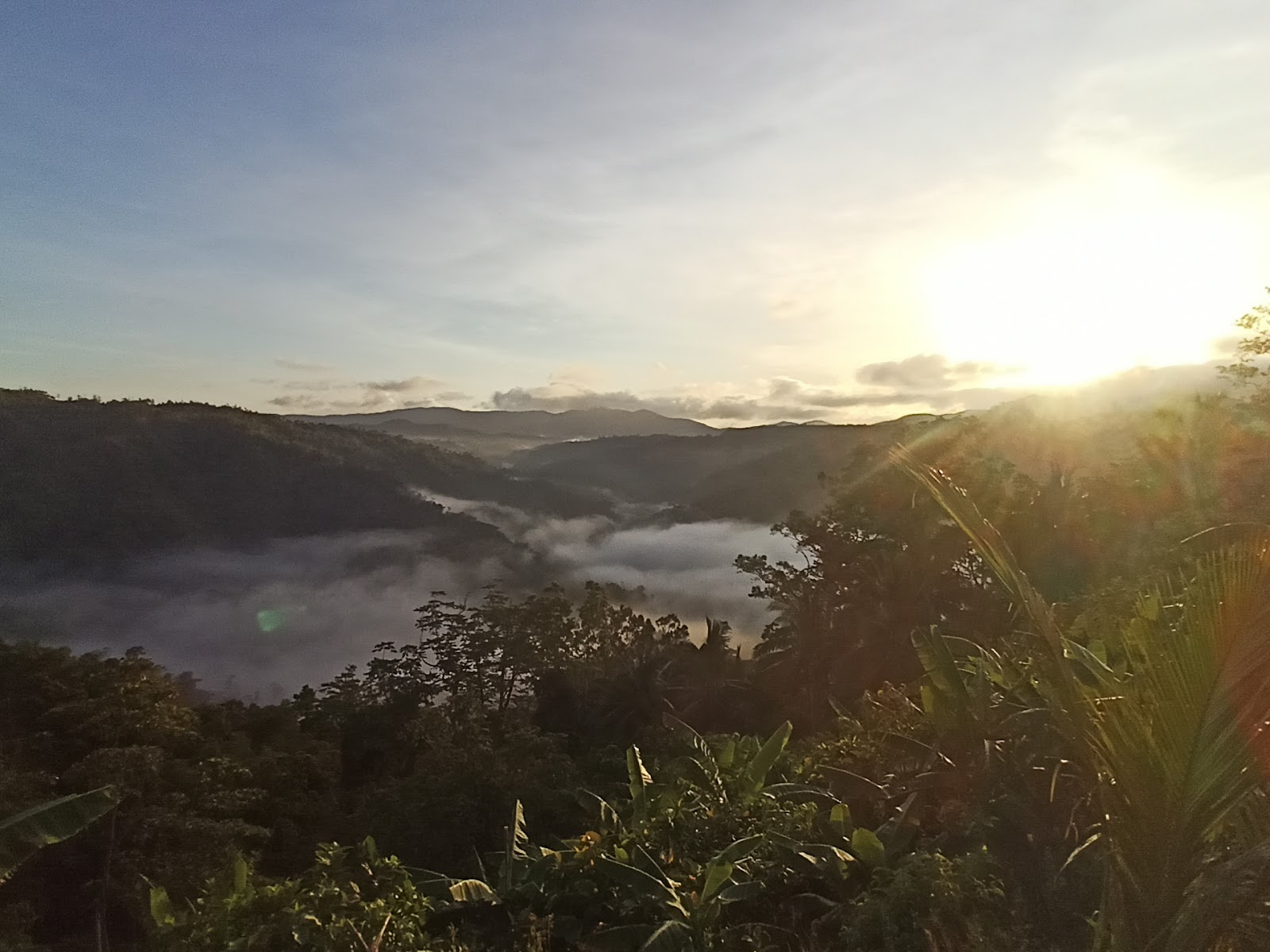
Plan your visit: The sea of clouds only shows at dawn (around 5–6 AM) in the dry season and fades fast after sunrise. Bring layers for the cold and ride up with a habal-habal driver — the upland road is rough and best on a dry day.
Stay nearby: ADL Boarding House and Panuluyan Farmstay.
Haynon Hills — Buenavista. A stretch of rolling green hills in Sitio Haynon, Malbog, nicknamed the "Chocolate Hills of Marinduque" and geologically part of the Gasan Formation. It's one of the more underrated stops on the island — good for hiking, photography, and a different perspective on Mount Malindig.
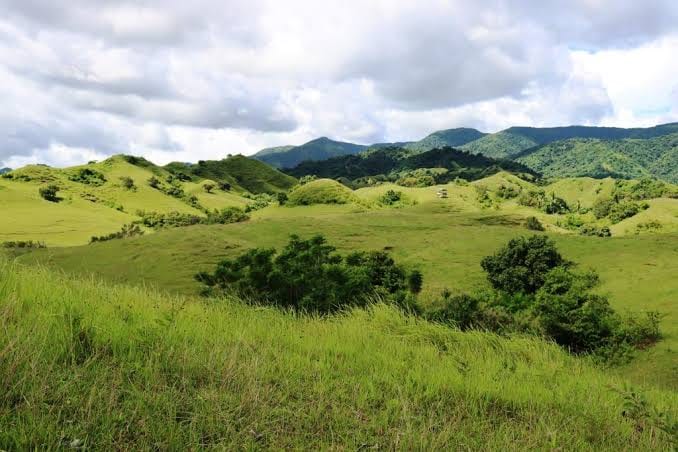
Plan your visit: Go in the morning before the haze, and only in the dry season — the access road turns ugly in rain. Wear sturdy shoes and agree on a round-trip tricycle price up front, since not every driver will take the climb.
Stay nearby: Marinduque Hot Spring Resort and Curba Farm Resort.
Sibuyao Highlands — Torrijos. A breathtaking ridge nearly 525 meters above sea level along the highway linking Sibuyao, Nangka, and Maranlig. The payoff is a 360-degree view of Marinduque's eastern coast — elevated nature, hiking, and camping without committing to a Mt. Malindig-scale climb.
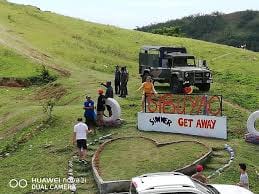
Plan your visit: Mornings are clearest, and the dry season is essential — the unpaved road gets rough in rain. Pack layers; the ridge runs cooler than the coast. Agree on a round-trip tricycle price from Torrijos before you set off.
Stay nearby: Cafe Tanawin and Glamping and Mixt Apartelle and Restobar.
Marinduque Wildlife Sanctuary — Boac. A protected natural area in the Boac uplands, declared a wildlife sanctuary in 2004. It's geared to quiet, low-impact visits — camping, fresh air, and the kind of slow afternoon that's hard to find on the busier coast. Rooms and meals can be arranged ahead.
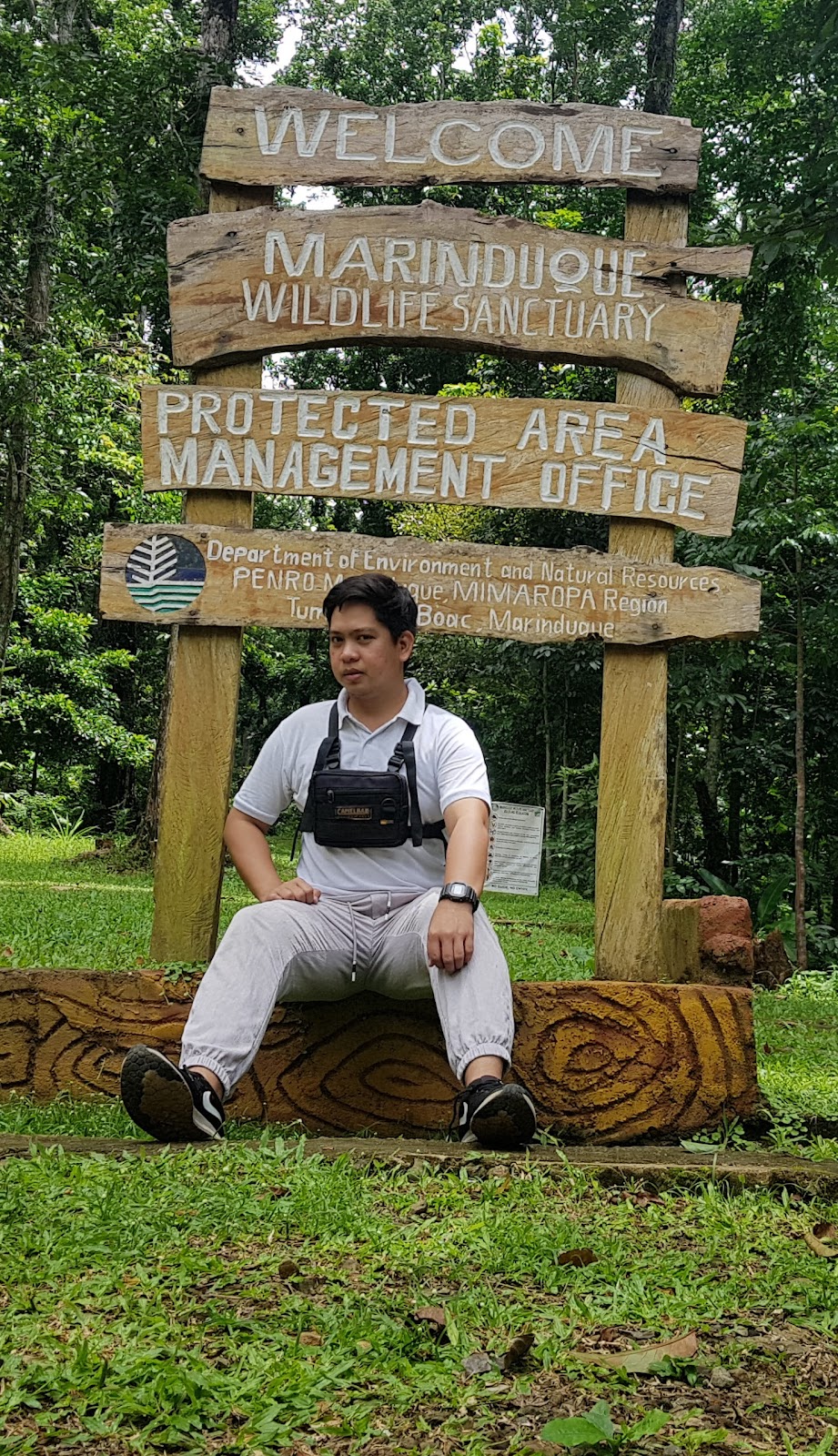
Plan your visit: Best for camping and trails in the dry season. It's rustic, so come self-sufficient — gear, food, repellent — and arrange lodging and meals ahead. Ride a habal-habal inland from Boac and confirm the last rural stretch with locals.
Stay nearby: Panuluyan Farmstay and Marinduque Hot Spring Resort.
A warm soak
Malbog Sulfuric Hotspring — Buenavista. The soak Marinduque is quietly famous for. This natural sulfur spring draws visitors for warm, mineral-rich waters long believed to carry therapeutic benefits — and for the unhurried, distinctly local atmosphere around it. It's open daily from 6 AM to 5 PM, which makes it an easy add to a Buenavista day that also takes in Haynon Hills and the Mount Malindig base.
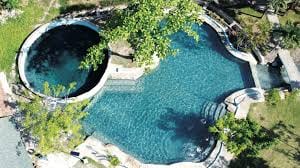
Plan your visit: Open daily 6 AM–5 PM; the cooler dry-season months make the warm soak most pleasant. Bring water shoes for the rocky edges and a sealable bag for your sulfur-scented swimwear on the way home. A tricycle from Buenavista Centro gets you there.
Stay nearby: Marinduque Hot Spring Resort and Curba Farm Resort.
Heritage and churches
Marinduque's Spanish-era churches are some of the oldest in Southern Tagalog, and Boac's town center is where the island's history is easiest to walk.
Boac Cathedral — Boac. The Immaculate Conception Cathedral, seat of the Diocese of Boac, sits on a rise in the town center ringed by centuries-old defensive walls. It was declared a Philippine Important Cultural Property in 2018, and it's the spiritual anchor of the island — the start of any Boac heritage walk and the center of gravity during Holy Week.
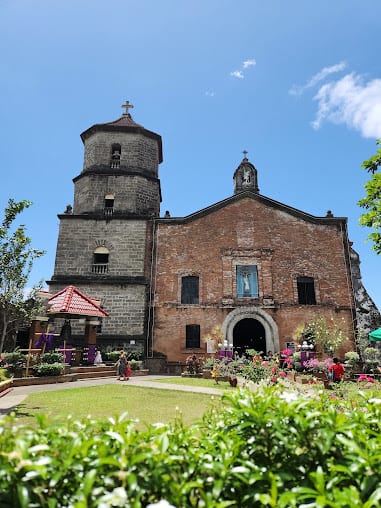
Plan your visit: Sunday Mass is when it comes alive; weekday mornings are quiet for a proper look. Dress modestly — it's an active cathedral and the seat of the diocese — and walk up the short hill from Boac plaza.
Stay nearby: The Boac Hotel and Nine Balconies Island Stay.
Marinduque National Museum — Boac. Housed in what used to be the Escuela de Niños, the oldest Catholic school on the island, the National Museum branch in Boac tells a story that reaches well beyond Marinduque — early maritime trade, the island's natural resources, and its deep religious traditions, all under one roof. Small museum, big story, and one of the highest-rated stops in town.
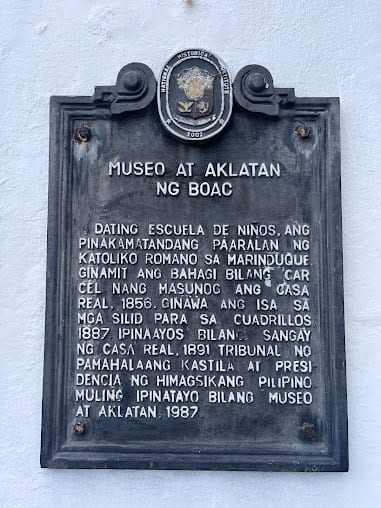
Plan your visit: Open Tuesday to Sunday (closed Mondays); give it 60–90 minutes to do the exhibits justice. It sits right on Boac plaza fronting the cathedral, so you can pair the two in one easy morning.
Stay nearby: El Kim Suites and Abby's Place Hotel.
Pulang Lupa Shrine — Torrijos. A historical park in Bolo commemorating the Battle of Pulang Lupa, one of the notable Filipino victories of the Philippine–American War. It gives you both the historical weight and a panorama of ocean and mountains that would justify the climb on its own.
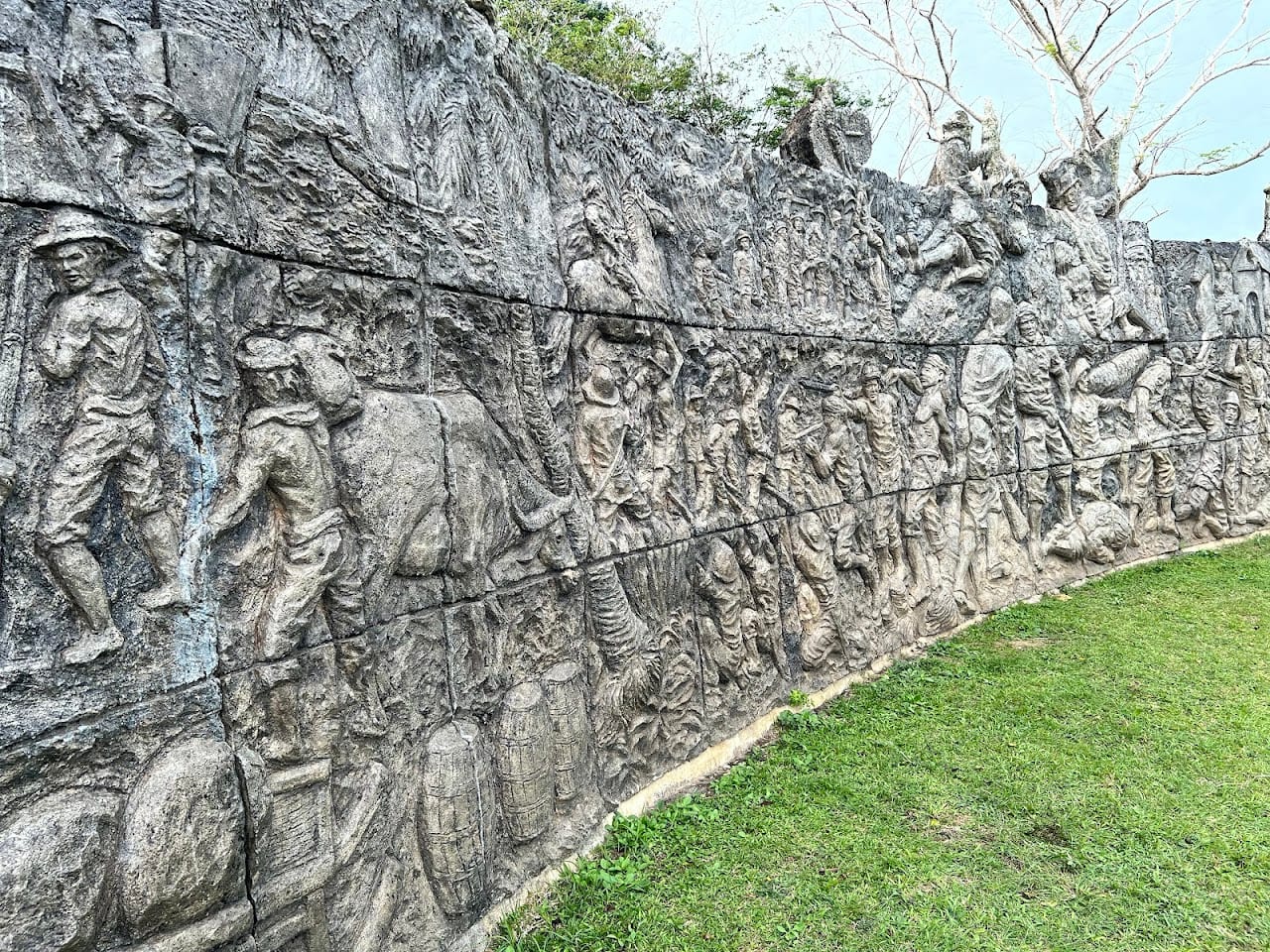
Plan your visit: Visit in the morning or late afternoon — much of the hilltop site is exposed. It's quietest on weekdays, with a big commemoration each September. A tricycle from Torrijos Centro knows 'Pulang Lupa Shrine.'
Stay nearby: Cafe Tanawin and Glamping and Beach Club Cagpo.
St. Joseph Parish Church — Gasan. Established in 1609, the Gasan church has been a continuous fixture of town life for over four centuries — one of the island's most significant heritage sites and a quiet stop on the way around the western coast.
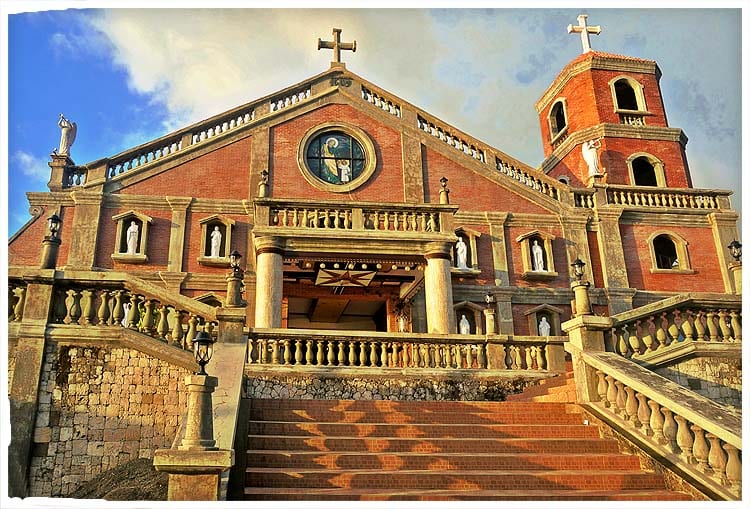
Plan your visit: Sunday Mass shows the community at its warmest; weekday mornings are best for taking in the 1609 heritage architecture. Dress modestly — it's an active church — and it's a short walk within Gasan Poblacion.
Stay nearby: A & D Hotel and Restobar and Luxor Resort.
Holy Cross Parish — Santa Cruz. Built in 1714, the Santa Cruz church is among the oldest in Southern Tagalog and has anchored the town's community life for more than three centuries. It pairs naturally with the Santa Cruz caves and the Maniwaya jump-off at Buyabod.
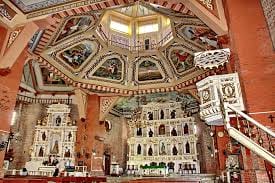
Plan your visit: It's liveliest at Sunday Mass and at its most powerful during Holy Week, when Santa Cruz becomes a pilgrimage stop. Dress modestly; it's an easy walk from the Santa Cruz town plaza.
Stay nearby: Jethro Hotel and Resto and Villa d' Arco Resort.
Balanacan Shrine — Mogpog. Rising over the water near the Port of Balanacan, the statue of Ina ng Biglang Awa (Our Lady of Sudden Help) is the first sight of the island for travelers arriving by ferry — and, for many Marinduqueños and returning balikbayans, the first sight of home.
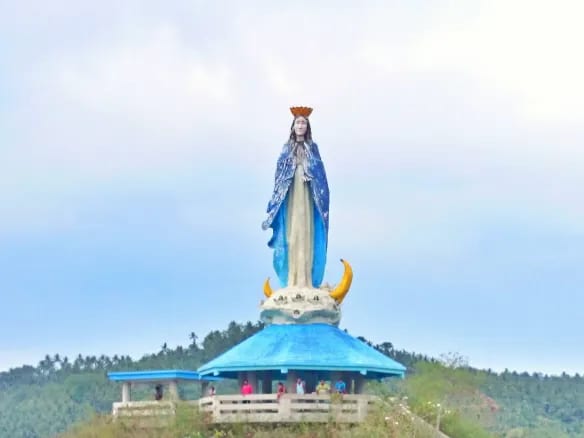
Plan your visit: Come at sunrise or late afternoon — noon is hot and exposed. It's an active Marian shrine, so dress respectfully. From Balanacan Port it's a 10–15 minute walk up, or hop on one of the tricycles waiting at the port.
Stay nearby: Casa Potenciana and Guisian Cove Resort.
Offbeat and family-friendly
Marl Insects and Butterfly Culture — Boac. A working butterfly farm and visitor garden on Cawit Pier Road in Amoingon — described as the first and largest butterfly farm in Marinduque. Founded by Leodegario Layron when he was just 15 and run today by Leodegario and his wife Cheryl, it's an easy, kid-friendly stop you'd almost miss from the road.
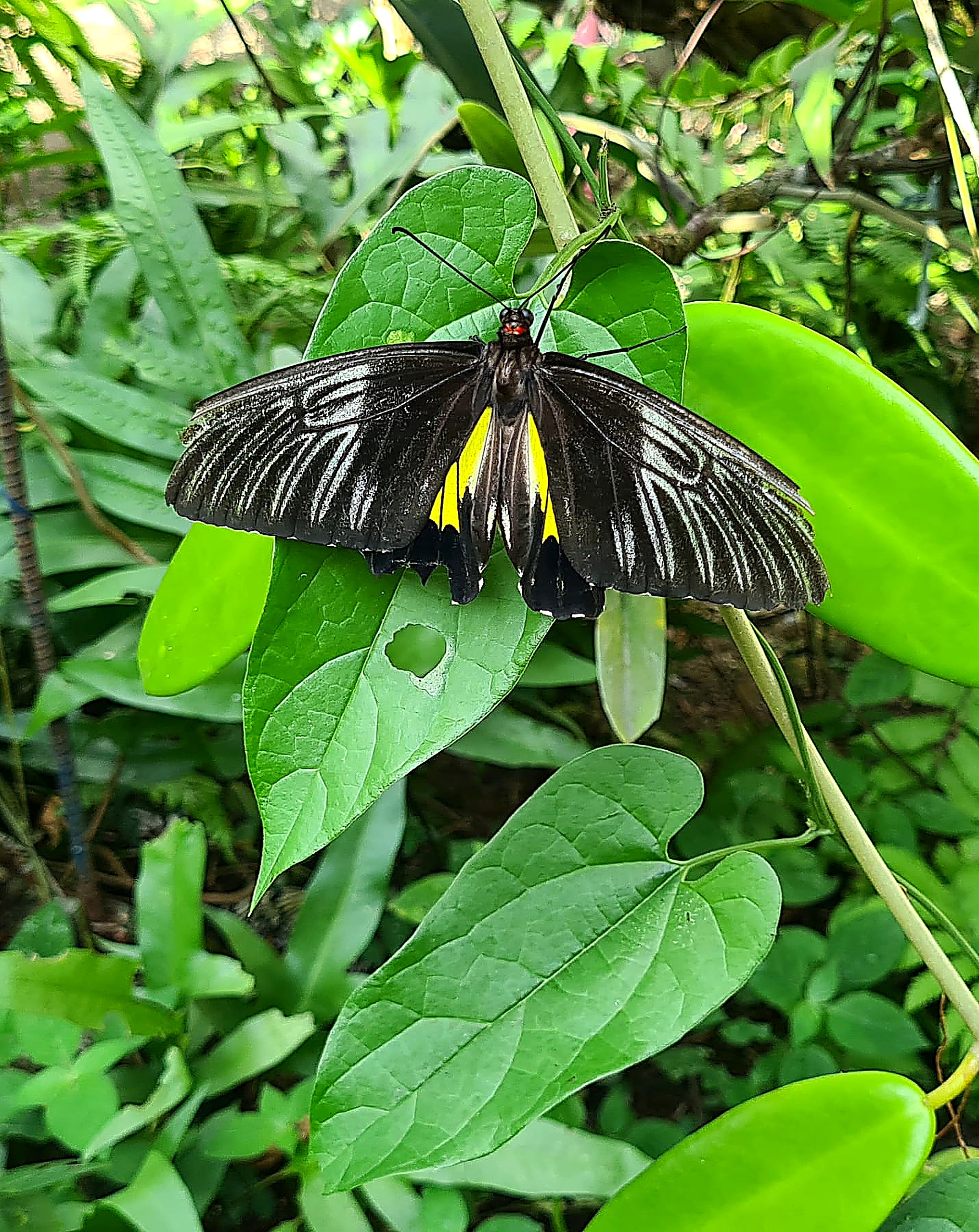
Plan your visit: Mid-morning is the sweet spot — the butterflies are active and the staff have time to explain things. It's more educational than flashy, so bring a close-up camera; a tricycle from Boac market knows 'Marl butterfly farm' on Cawit Road.
Stay nearby: Bleau Z and Amsterdam Palace Marinduque.
Lorica's Butterfly Breeding Farm — Boac. A small, genuinely working butterfly breeding operation — no Facebook page, no website, just a real Marinduqueño family raising butterflies. That thin online footprint is, in this case, the most honest thing about it: this is the offbeat, see-how-it's-actually-done kind of visit.
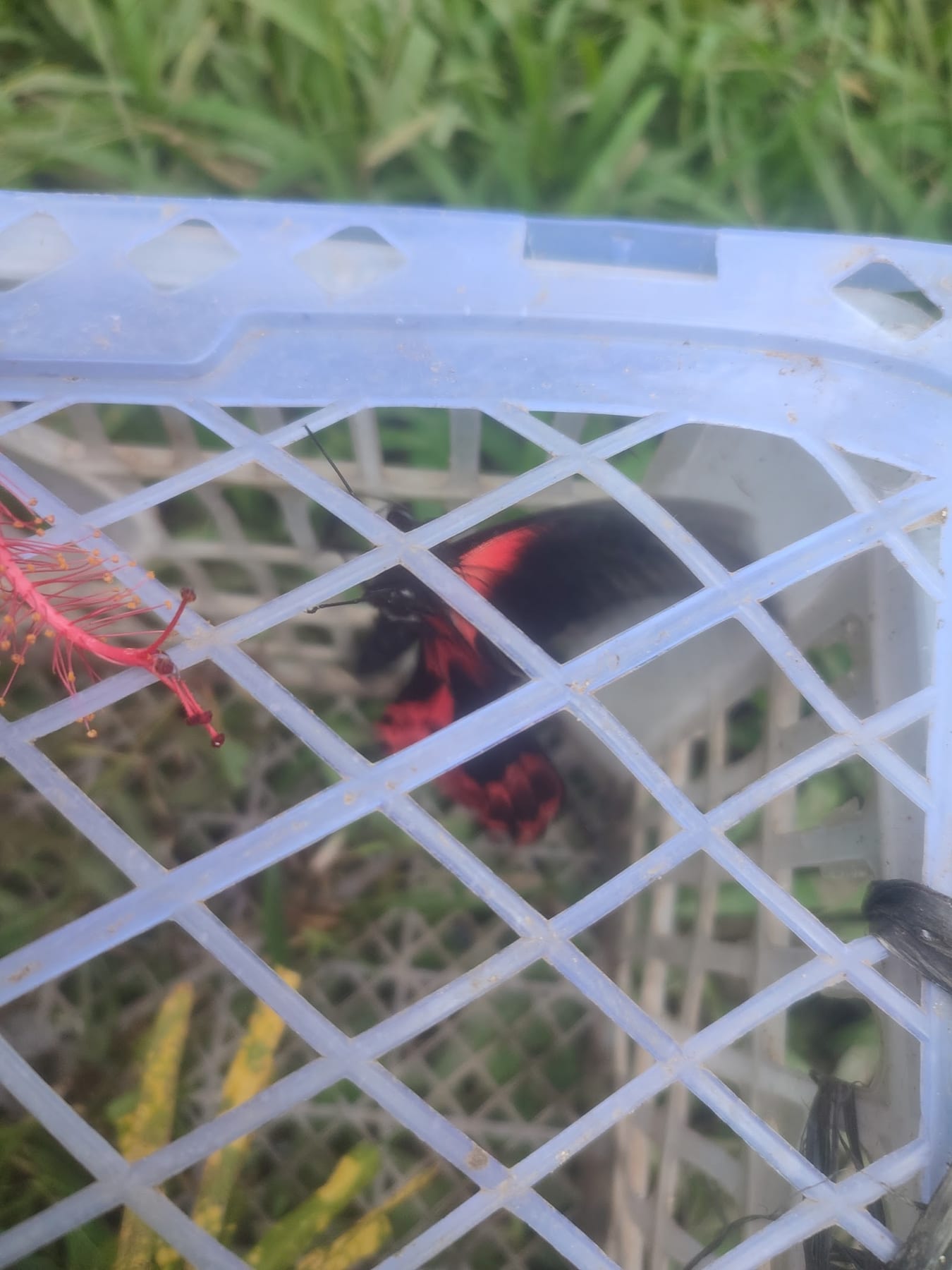
Plan your visit: Come mid-morning when the butterflies are most active. It's a tiny working farm with almost no signage, so hire a tricycle from Boac and ask for it by the family name — and call ahead during typhoon weeks, when the enclosures may be down.
Stay nearby: Freedom Eco Adventure Park and Bleau Z.
Bangwayin Farm — Torrijos. An up-and-coming overlooking spot that visitors keep calling a hidden gem. It's still being developed, so facilities are limited, but the elevated panorama over the Torrijos countryside is already the reason to make the bumpy ride up.
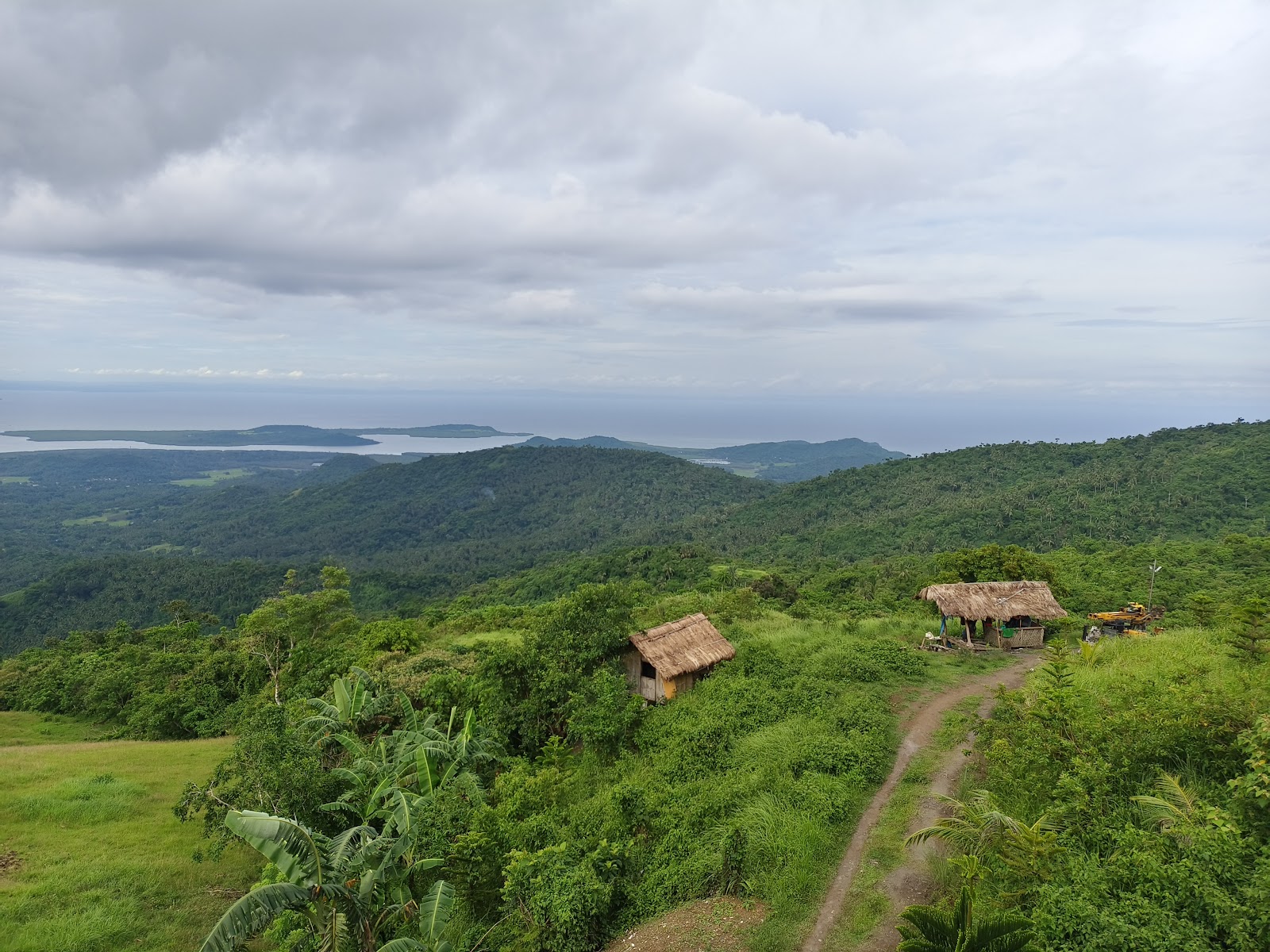
Plan your visit: Pick a clear dry-season day and go early or late for the light. The access road is bumpy, so take a habal-habal or a vehicle with good clearance, and bring cash since facilities are still limited.
Stay nearby: Cafe Tanawin and Glamping and Beach Club Cagpo.
How to fit them together
Marinduque runs on a single coastal loop, so the practical way to plan is by town rather than by checklist. Group the spots that share a corner of the island and you'll spend your time enjoying places instead of backtracking:
- Boac (west/center): Boac Cathedral, the National Museum, Laylay Beach, and an early run up to the Mt. Baliis sea of clouds.
- Santa Cruz (north/east): Maniwaya Island and Palad Sandbar from Buyabod, plus Bagumbungan Cave and Kawa-Kawa Falls inland.
- Torrijos (east): Poctoy White Beach, Pulang Lupa Shrine, and the Sibuyao Highlands.
- Buenavista (south): Malbog Sulfuric Hotspring, Haynon Hills, and the Mount Malindig base.
- Gasan & Mogpog (west): Tres Reyes Islands, Talao Cave, Paadjao Cascades, and Tarug Rock Formation.
Three to four days is the sweet spot for covering a real cross-section without rushing. If you're timing your trip around the Moriones Festival during Holy Week, build the heritage stops into your plan first — Boac fills up fast that week — and slot the beaches and caves around the processions.
Browse every spot on the island, with photos, directions, and current details, on the places directory. New ones get added as we cover them — Marinduque has more corners than any single list can hold.