

Contents
Where the name comes from
The name most likely comes from the Visayan word bu-ak (bi-ak in Tagalog), meaning split, after the Boac River that divides the town. Another explanation links it to the Tagalog bulwak, the gush of water at the river's mouth.[1]
History
In 1580 the first visita (mission station) on the island, Montserrat de Marinduque, was set up in what is now Boac under Fray Alonzo Banol. Miguel de Loarca's account of 1582–83 describes the island's people as tattooed, like the Pintados of the Visayas.[1]
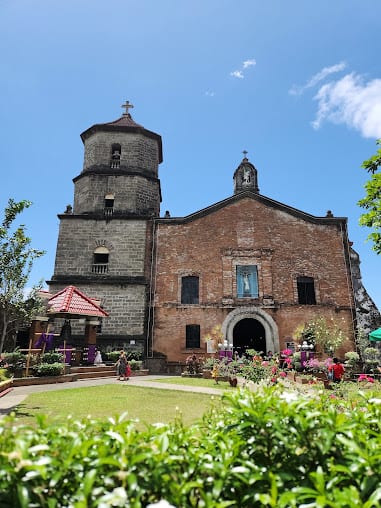
Jesuits brought a Marian image to Boac in 1621. During pirate raids in the 17th century, townspeople took shelter in the fortress church; local tradition says a storm and an apparition of Mary drove the raiders off, which is how the image came to be called the Birhen ng Biglang-Awa (Virgin of Sudden Mercy). She was canonically crowned in 1958.[1]
Japanese forces occupied Boac in 1942. In 1945 American and Philippine Commonwealth forces landed there during the Battle of Marinduque, and the town hosted the headquarters of the Commonwealth Army and Constabulary until 1946.[1]
Boac today
Boac holds most of Marinduque's businesses. Its public market, spread over four air-conditioned buildings, is the island's main commercial hub, and the Poblacion serves as the town's business district. The Provincial Capitol stands in Barangay Santol.[1]
The town is the seat of the Diocese of Boac. Catholicism is the main faith, alongside the Iglesia ni Cristo, Jehovah's Witnesses and several evangelical churches.[1]
Heritage and landmarks
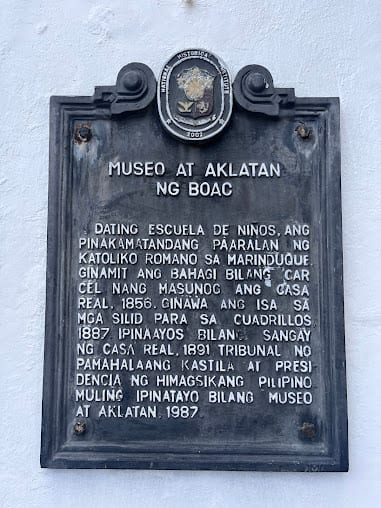
The Immaculate Conception Cathedral (Boac Cathedral) is a fortress church and the province's central cathedral. Other historic sites include the Casa Real, Liwasan ng Kalayaan, Laylay Port, where Japanese and American troops landed, and the Marinduque branch of the National Museum.[1]
At 186 metres, the Biglang-Awa Bridge is the longest bridge in the province and a favourite place to watch the sunset with the cathedral in view.[1]
Festivals
Boac is one of the main venues of the Lenten Moriones Festival, which includes a Senakulo (passion play) at the Boac Town Arena. The town fiesta of the Immaculate Conception falls on December 8.[1]
Timeline
- 1580
Montserrat de Marinduque, the island's first visita, is set up in present-day Boac.[1]
- 1621
Jesuits bring the Marian image later venerated as the Birhen ng Biglang-Awa.[1]
- 1622
Boac is founded on December 8.[1]
- 1818
A Spanish census counts 1,908 native families and 31 Spanish-Filipino families.[1]
- 1942
Japanese forces occupy the town.[1]
- 1945
American and Commonwealth forces land during the Battle of Marinduque.[1]
- 1958
The Birhen ng Biglang-Awa is canonically crowned.[1]
Notable people
Chief Justice of the Supreme Court of the Philippines, 1951–1961.[1]
Pioneering Filipino writer in English: poet, editor and teacher.[1]
Educator and civic leader, born in Boac on May 24, 1893; wife of World War II hero Brig. Gen. Vicente Lim.[1][4]
Gretchen Malalad
Karate gold medalist at the 2005 Southeast Asian Games, with family roots in Barangay Tugos.[1]
Chemist specializing in ceramics, born in Boac on October 28, 1902. He led the ceramics laboratory of the government Bureau of Science; a national historical marker honors him at the Boac Municipal Hall.[5]
Family names
Most family names in Marinduque, as elsewhere in the Philippines, trace back to Governor-General Narciso Clavería's decree of November 21, 1849, which sent a catalogue of surnames to every province so families could adopt or be assigned one. In many towns the names handed out began with the same letter. No official count of the most common surnames per town is published, so below we list only family names that appear in the town's documented history.[6]
- Hidalgo and LardizabalPilar Hidalgo-Lim was born to Don Luis Hidalgo and Doña Eulalia Lardizabal of Marinduque.[4]
- ParasThe family name of Chief Justice Ricardo Paras.[1]
Places to visit in Boac
Attractions (14)
See all →
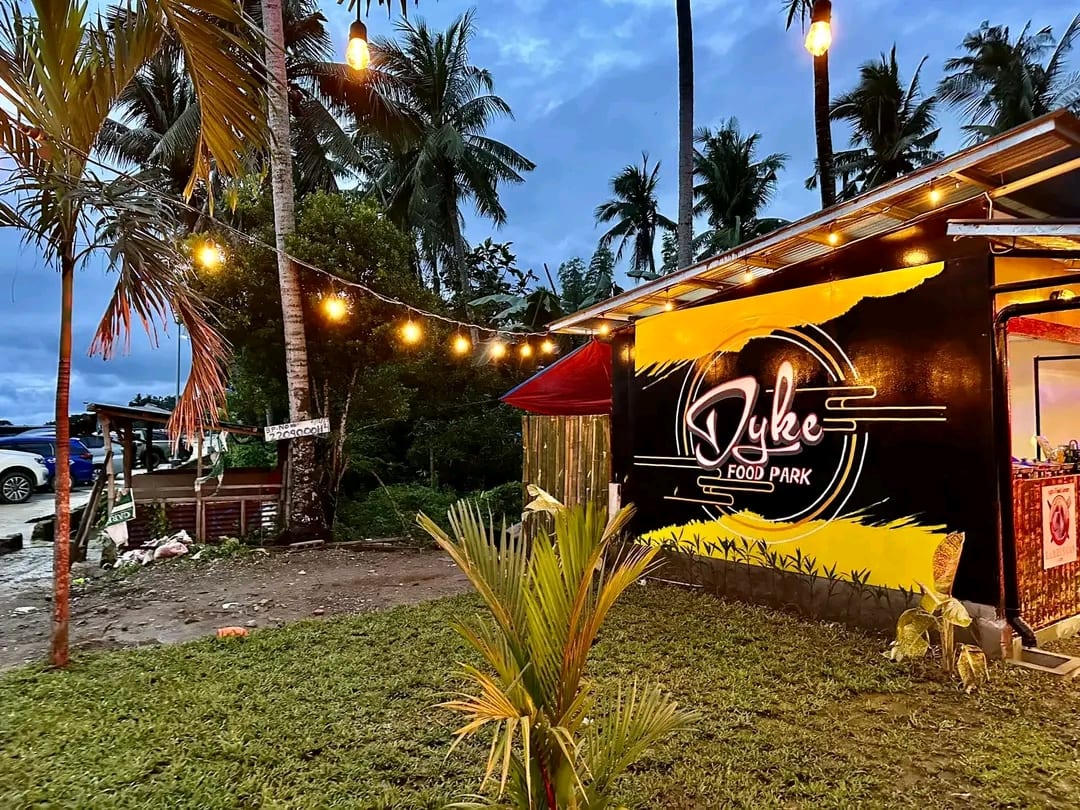
Restaurants (28)
See all →


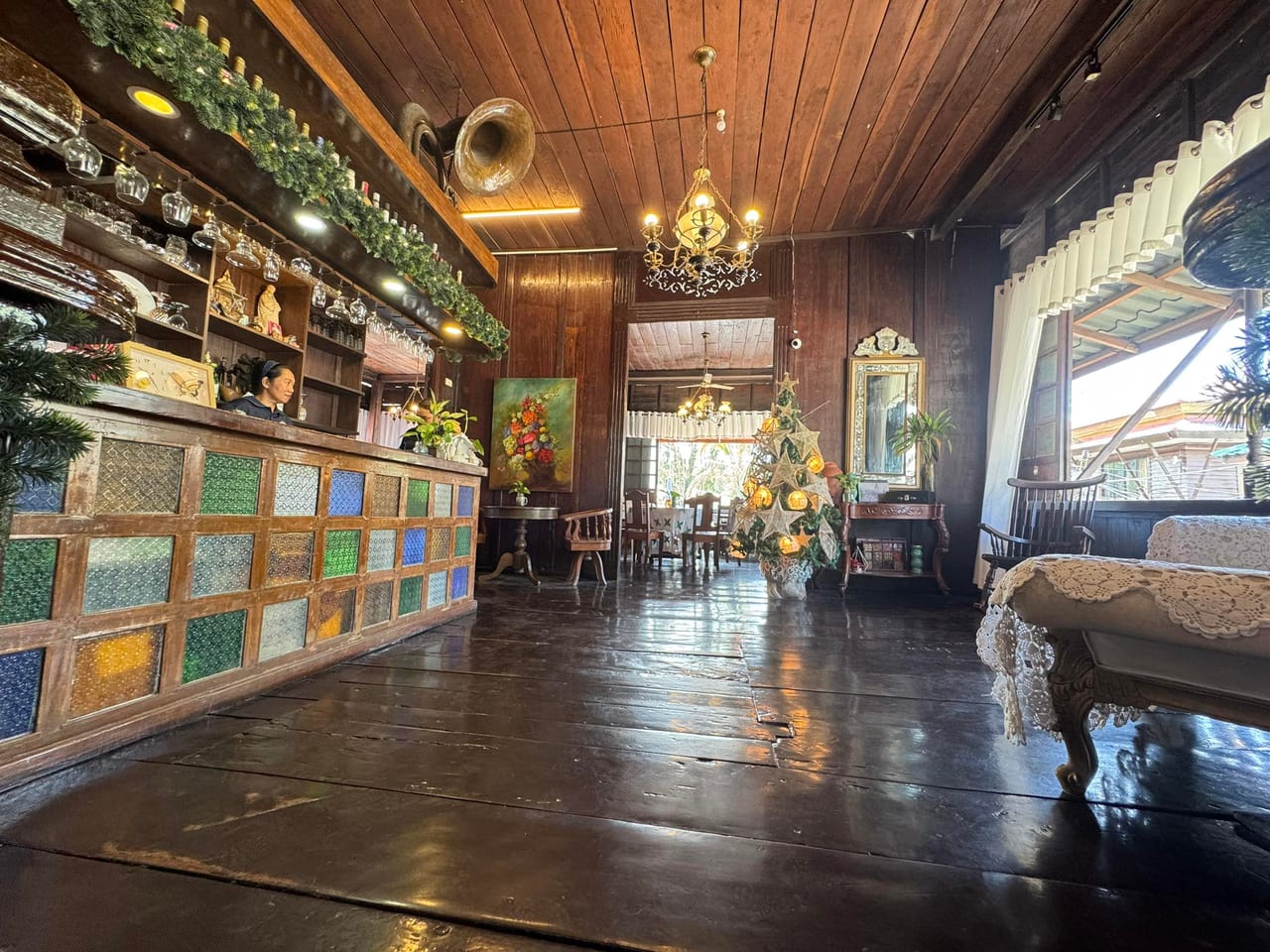

Places to stay (26)
See all →


Local products (7)
See all →


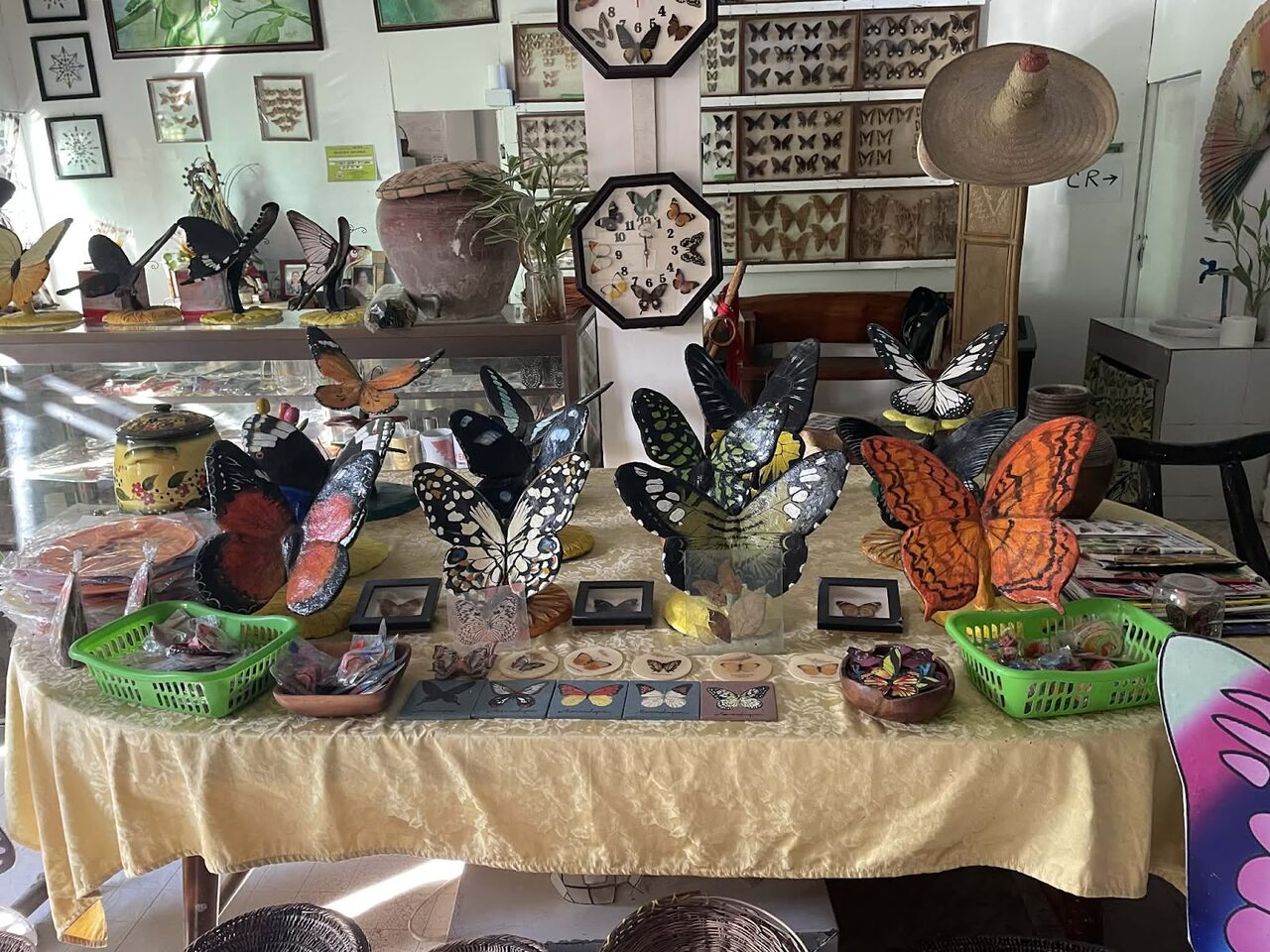
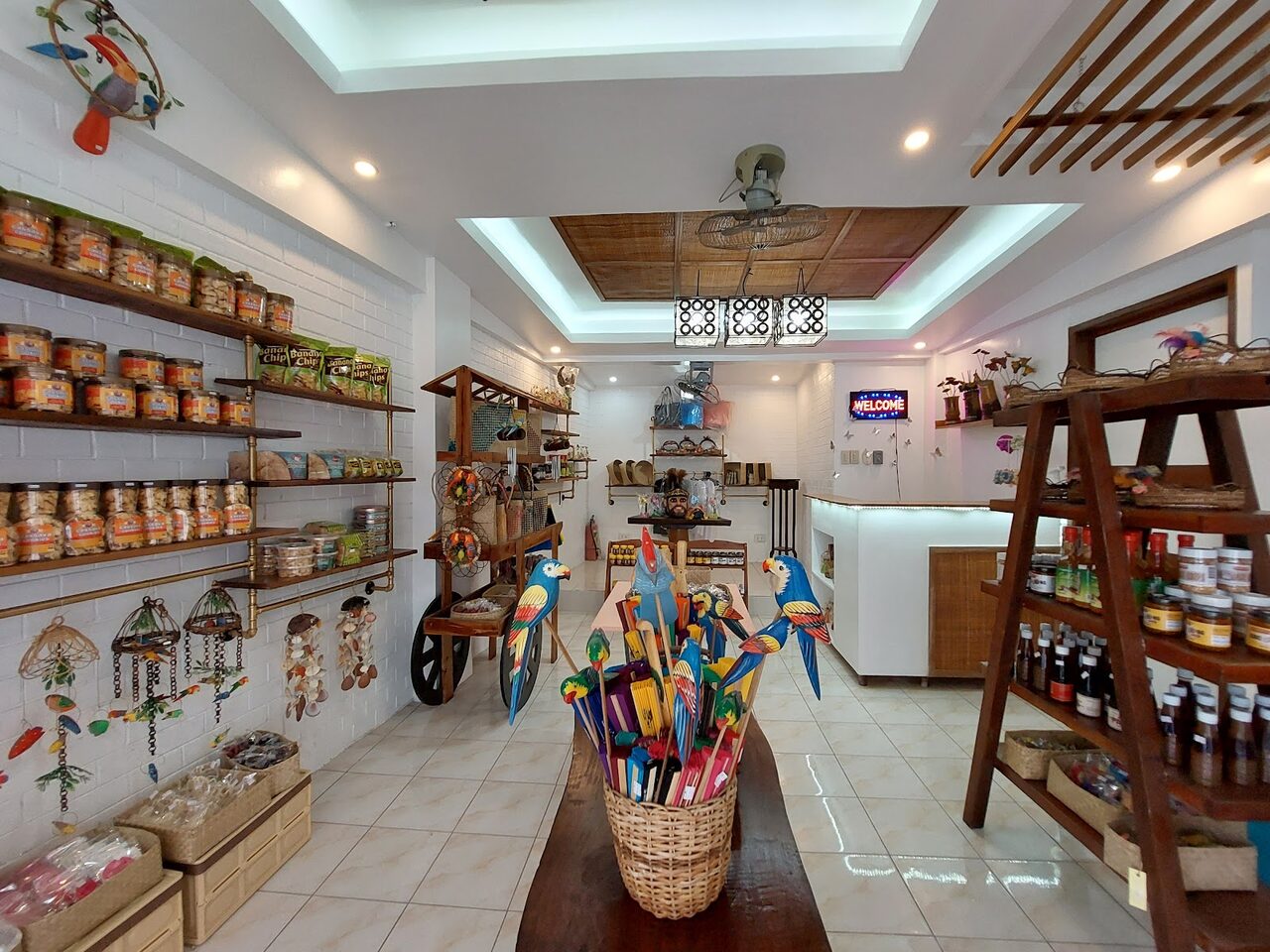
Specialty stores (9)
See all →

Churches in Boac
Our directory lists 51 churches and chapels in Boac, parish churches first.
- Mary, Help of Christians Parish ChurchParish church
- Sacred Heart Parish ChurchParish church
- St. Raphael Archangel Parish ChurchParish church
- Amoingon ChapelChapel
- Balagasan ChapelChapel
- Bangbangalon ChapelChapel
- Birhen Ng Carmelo (Chapel)Chapel
- Boac Gospel ChurchChurch
- Boac Seventh Day Adventist ChurchChurch
- Christ Bible Baptist Church -BoacChurch
- Duyay ChapelChapel
- Gospel Center CatubuganChurch
Schools in Boac
53 schools in our directory: 38 elementary school (kindergarten to grade 6), 3 tech-voc training, 3 high school (grades 7 to 12), 2 school, 2 elementary school (kindergarten), 1 tech-voc / school, 1 elementary school (kindergarten to grade 4), 1 junior & senior high (grades 7–12), 1 college / university, 1 college / university (grades 1 to 12).
- Cawit National Comprehensive High SchoolHigh school (Grades 7 to 12)
- Educational System Technological Institute (ESTI)High school (Grades 7 to 12)
- Ilaya National High SchoolHigh school (Grades 7 to 12)
- Marinduque National High SchoolJunior & Senior High (Grades 7–12)
- Marinduque State University (Main Campus)College / university
- Saint Mary's College of MarinduqueCollege / university (Grades 1 to 12)
The 61 barangays of Boac
- Agot
- Agumaymayan
- Amoingon
- Apitong
- Balagasan
- Balaring
- Balimbing
- Balogo
- Bamban
- Bangbangalon
- Bantad
- Bantay
- Bayuti
- Binunga
- Boi
- Boton
- Buliasnin
- Bunganay
- Caganhao
- Canat
- Catubugan
- Cawit
- Daig
- Daypay
- Duyay
- Hinapulan
- Ihatub
- Isok I (Pob.)
- Isok II (Pob.)
- Laylay
- Lupac
- Mahinhin
- Mainit
- Malbog
- Maligaya
- Malusak (Pob.)
- Mansiwat
- Mataas na Bayan
- Maybo
- Mercado (Pob.)
- Murallon (Pob.)
- Ogbac
- Pawa
- Pili
- Poctoy
- Poras
- Puting Buhangin
- Puyog
- Sabong
- San Miguel (Pob.)
- Santol
- Sawi
- Tabi
- Tabigue
- Tagwak
- Tambunan
- Tampus (Pob.)
- Tanza
- Tugos
- Tumagabok
- Tumapon
Need to ask someone local? See the Boac municipal and barangay contacts.
Questions about Boac
When was Boac founded?
Boac was founded on December 8, 1622. The island's first mission station, Montserrat de Marinduque, was set up there earlier, in 1580.[1]
What is the population of Boac?
54,365 people in the 2024 census, down from 57,283 in 2020. It is the most populous town in Marinduque.[1][2]
What is Boac known for?
Boac Cathedral, the Moriones Festival, the Birhen ng Biglang-Awa, the Biglang-Awa Bridge and the island's main public market.[1]
When is the Boac town fiesta?
December 8, the feast of the Immaculate Conception, Boac's patron.[1]
Sources
- [1]Wikipedia, Boac, Marinduque (and the sources it cites)
- [2]Philippine Statistics Authority, 2024 Census of Population (POPCEN) counts
- [3]Philippine Statistics Authority, PSGC: Province of Marinduque
- [4]Ulong Beach (Marinduque history archive), Pilar Hidalgo Lim
- [5]Wikipedia, Salvador del Mundo (chemist)
- [6]Wikipedia, Catálogo alfabético de apellidos (Clavería decree of 1849)
Places, churches and schools come from Marinduque Guide's own listings. Last reviewed November 2026. Spot something wrong? Tell us through our About page.