How Much Does a Trip to Marinduque Cost? (2026 Budget Breakdown)

A typical 3-day, 2-night trip to Marinduque from Manila costs roughly ₱3,500–₱5,000 per person on a shoestring budget, ₱6,000–₱9,000 for a comfortable mid-range trip, and ₱10,000–₱18,000+ if you stay at beachfront resorts, take the direct bus, or bring a car across on the ferry. The single biggest cost is getting there and back — the bus-plus-ferry round trip alone runs ₱2,000–₱2,500 per person before you've spent a peso on the island.
Below is the full breakdown, category by category, with the actual 2026 fares and rates, so you can build a budget that matches the trip you actually want.
The short version
- Round-trip transport from Manila (DIY bus + ferry): ₱2,000–₱2,500 per person.
- Accommodation: from ₱600 (a bed-spacer) to ₱1,200–₱2,500 (a standard room) to ₱3,000–₱6,500+ (beachfront casitas and resorts) per night.
- Food: ₱300–₱500/day eating at carinderias and markets; ₱600–₱1,000/day if you eat mostly at restaurants and cafés.
- Island hopping: ₱1,000–₱2,000 per boat (not per person) — the cost drops fast when you split it across a group.
- On-island transport: ₱20–₱200 per tricycle/jeepney/van hop.
- Best money-saving move: travel off-peak (June–early December), split boats and rooms across a group, and book the ferry yourself rather than buying a package.
Getting to Marinduque — the biggest line item
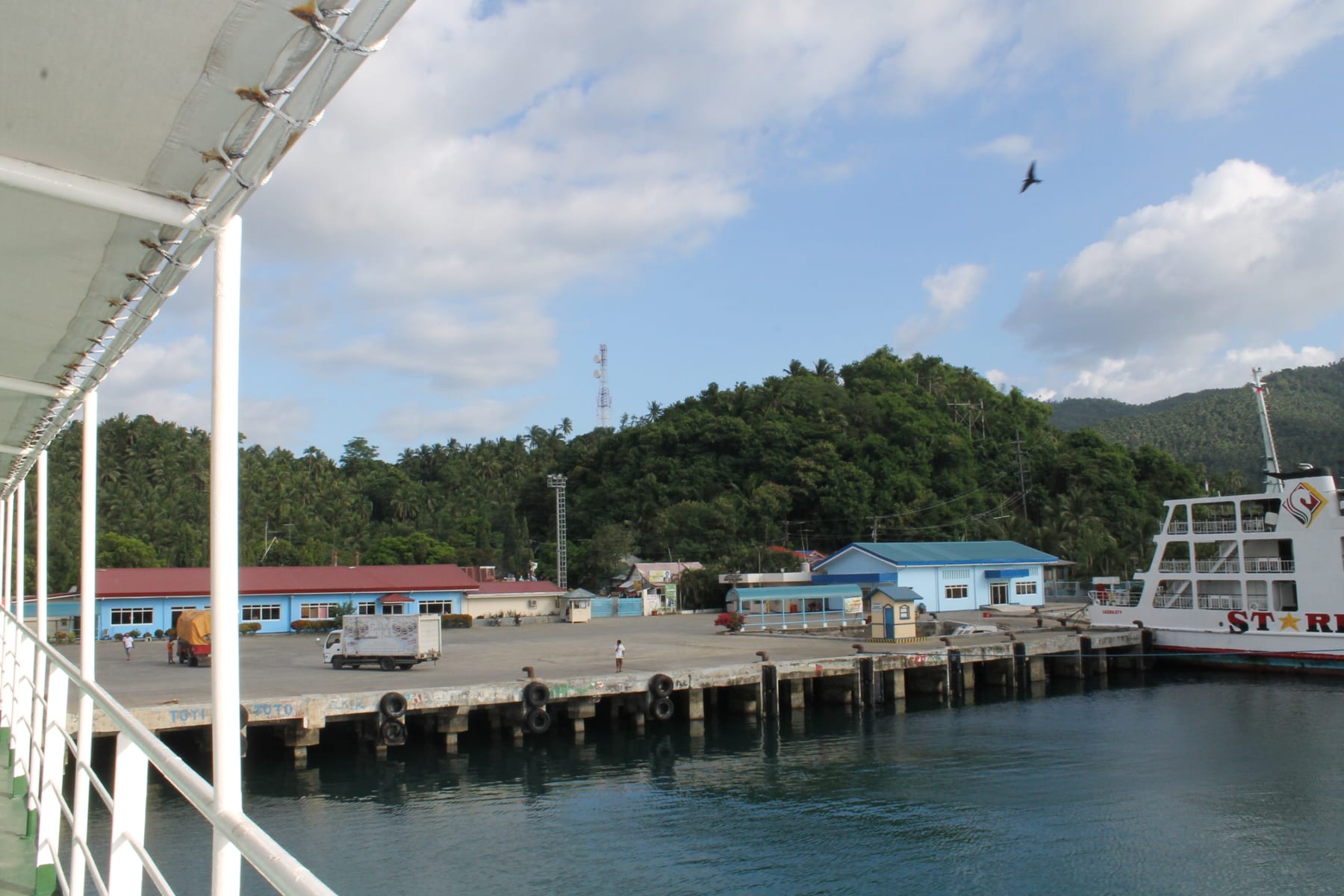
There's no commercial flight to Marinduque, so every trip from Manila is a bus-plus-ferry combination. This is where most of your budget goes, and there are two ways to do it. (For the full route, schedules, and ports, see our Manila-to-Marinduque guide.)
Option A — DIY (cheapest): bus to Lucena, then the RoRo ferry to Port of Balanacan.
That's roughly ₱850–₱1,380 each way, or ₱1,700–₱2,800 round trip per person. Students (₱400–₱480 ferry), seniors, and PWDs (₱335–₱430 ferry) pay less with valid ID.
Option B — JAC Liner direct (easiest): one ticket from Cubao all the way to Sta. Cruz, bus rolls onto the ferry with you on board. ₱1,300 each way (₱2,600 round trip). Worth the premium if you're heading to Sta. Cruz and don't want to switch vehicles.
Bringing a vehicle? Starhorse's posted 2026 rate for a regular car, SUV, or pickup (the 4.1–5.0 m bracket) is ₱4,060 each way; a motorcycle is ₱1,625. The driver and passengers still pay their own passenger fares on top. Only worth it if you're a group splitting the cost or staying long enough to need wheels.
Getting around the island
Marinduque is small and cheap to move around once you're there. Nothing here will break your budget:
Budget around ₱200–₱500 per day for getting around if you're moving between towns and beaches. Stay put in one town and it's far less.
Where to stay — by price tier
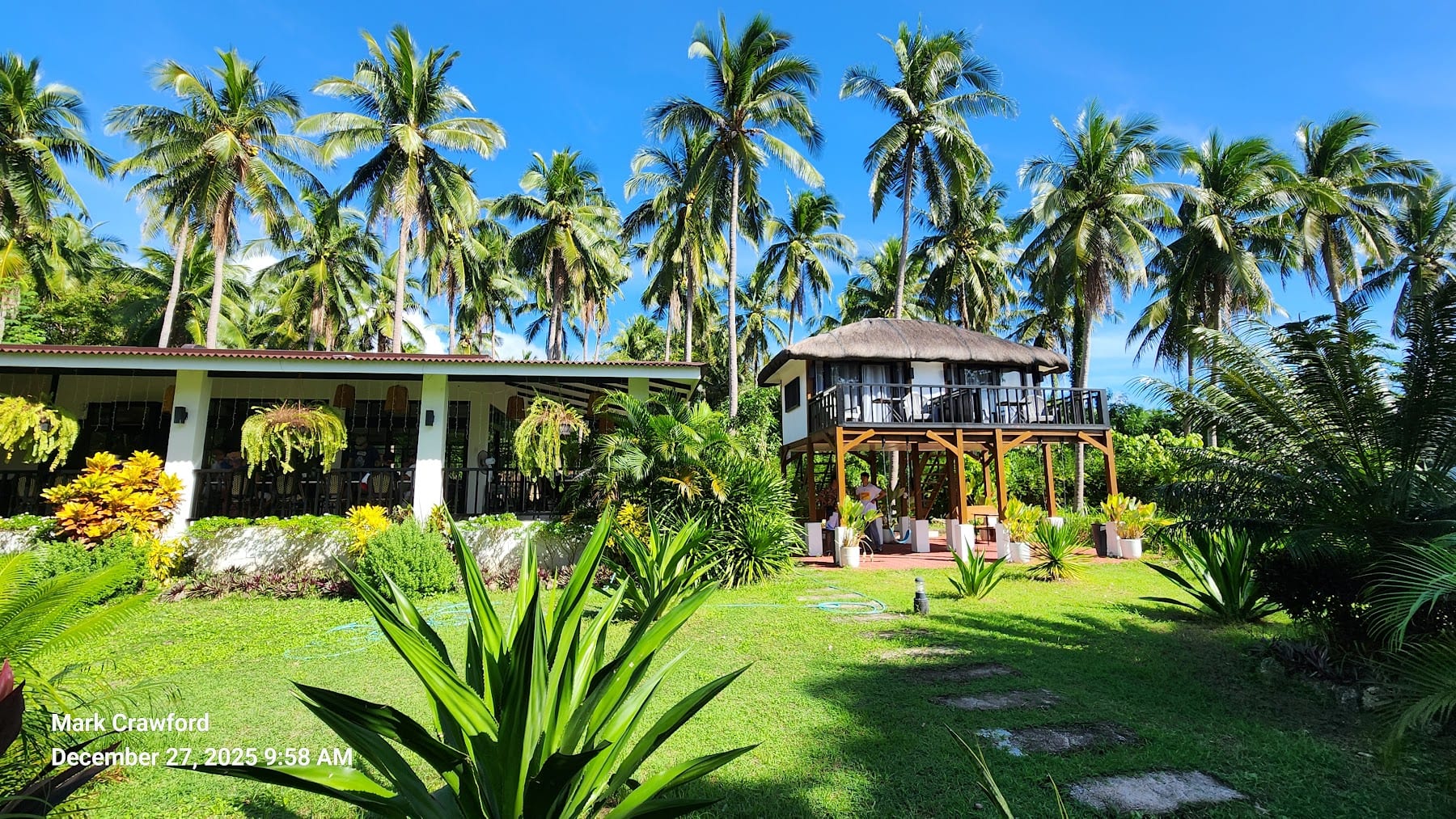
Accommodation is where your budget has the most room to flex. Marinduque has real options at every level (all rates below are from places we cover; see the full list of Marinduque accommodations).
Split a ₱1,700 room between two people and your bed costs ₱850 a night. That's the single easiest way to bring the trip cost down. For the deepest options — including which towns book out first — see our where-to-stay guide.
Food
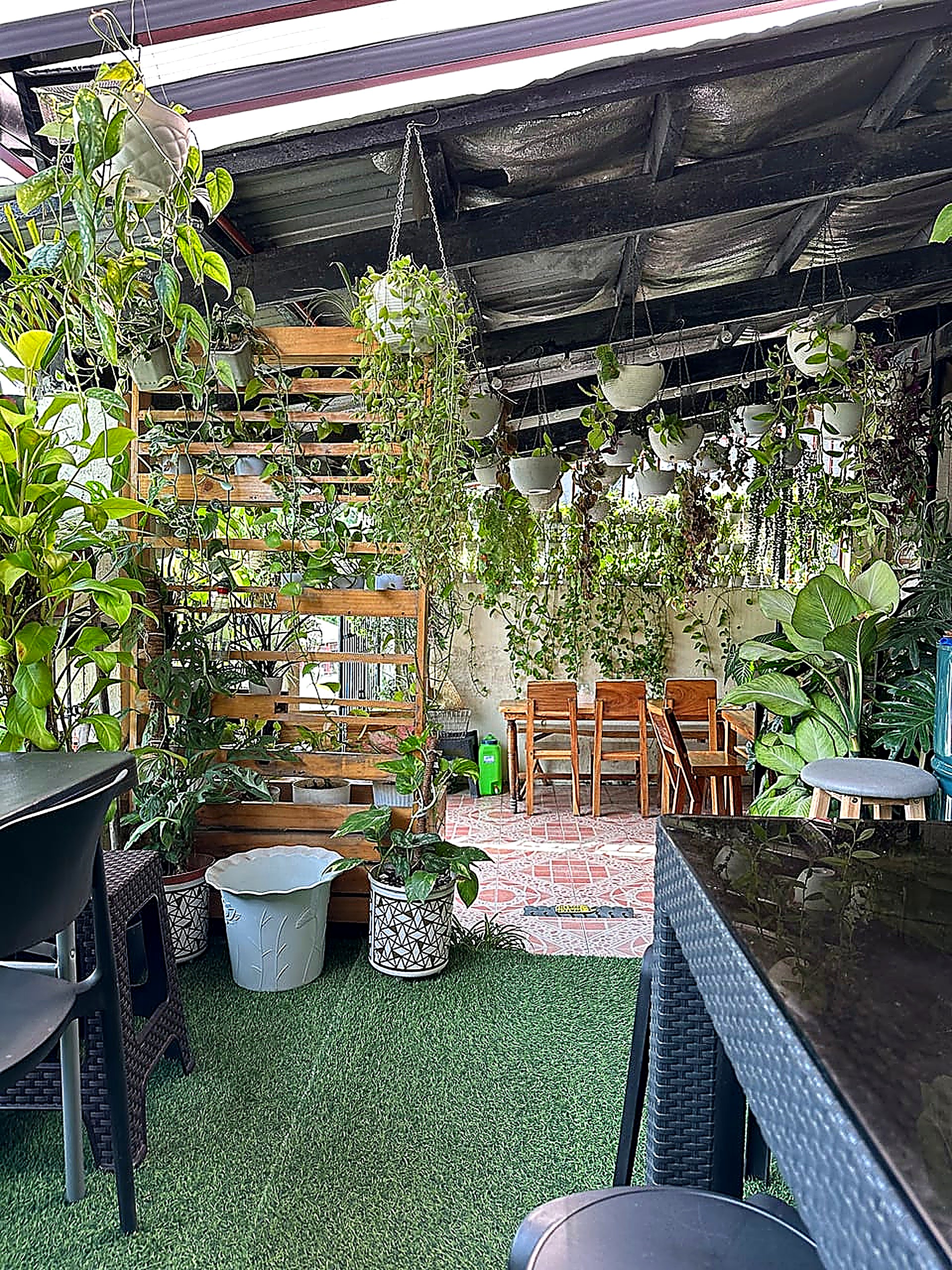
Eating in Marinduque is inexpensive, especially away from the resorts:
- Carinderia / turo-turo meal: ₱60–₱120
- Restaurant or café meal: ₱150–₱300
- Local treats (uraro cookies, kakanin, Ludy's Original Halo-Halo, Rejano's Bakery): ₱20–₱100
Plan on ₱300–₱500 per day if you eat at local eateries and the market, or ₱600–₱1,000 per day if you lean on restaurants, cafés, and resort dining.
Activities and entrance fees
Most of Marinduque's attractions are cheap or free — the real cost is the boat for island hopping, which is priced per boat, not per head, so groups win.
For the full list of what's worth your time, see the best tourist spots guide.
Three sample budgets (per person, 3D/2N from Manila)
These assume two people sharing a room and splitting boats. Solo travel costs more per head; bigger groups cost less.
A true backpacker doing dorm-style beds, carinderia meals, and group-split boats can land closer to ₱3,500. Add a car on the ferry or a beachfront resort and the premium figure climbs past ₱18,000.
How to do Marinduque cheaply
A few moves cut the cost the most:
- Travel off-peak. June to early December means lower room rates and no Holy Week surcharge. (The trade-off: rainier weather and the occasional ferry suspension — see when to travel.)
- Go with a group. Boats and rooms are the two costs that split. A ₱1,500 island-hopping boat is ₱750 each for two, but ₱250 each for six.
- Book the ferry yourself. Walk-up or balanacanport.online is cheaper than a packaged tour. Packages mark up the legs you can easily arrange yourself.
- Eat where locals eat. Carinderias and the public market will halve your food budget versus resort restaurants.
- Skip the car unless you're a group or staying a week. The ₱4,060-each-way vehicle fare buys a lot of tricycle rides.
Frequently asked questions
How much does a trip to Marinduque cost? A 3-day, 2-night trip from Manila costs about ₱3,500–₱5,000 per person on a shoestring budget, ₱6,000–₱9,000 for a comfortable mid-range trip, and ₱10,000–₱18,000+ for a premium trip with resort stays or a car on the ferry.
How much is the ferry to Marinduque in 2026? The Lucena (Dalahican) → Balanacan passenger ferry is ₱470–₱600 for a regular adult one way, with discounts for students (₱400–₱480) and seniors/PWDs (₱335–₱430). A regular car is ₱4,060 each way; a motorcycle ₱1,625.
How much is island hopping in Marinduque? Boats are rented per boat, not per person. The Maniwaya circuit (Palad Sandbar, Ungab Rock, coral garden) runs ₱1,500–₱2,000 for 6–8 people; Tres Reyes Islands from Gasan run ₱1,000–₱1,500 for 3–4 people.
Is Marinduque a cheap destination? Yes. Once you're on the island, food, transport, and most attractions are inexpensive. The main expense is the round-trip bus-and-ferry from Manila (₱2,000–₱2,500 per person). Travel off-peak and in a group and a long weekend can cost under ₱5,000 per person all in.
What's the cheapest way to get to Marinduque? The DIY route — a regular bus to Lucena (₱300–₱500), tricycle to Dalahican Wharf (₱50–₱80), and the RoRo ferry to Balanacan (₱470–₱600) — is cheaper than the JAC Liner direct bus (₱1,300), though the direct bus is more convenient.
Marinduque remains one of the better-value island trips in the Philippines precisely because the island itself is cheap — the cost is in the journey, not the stay. Build your budget around the round-trip fare, split what you can across a group, and the rest of the island is remarkably easy on the wallet.
Sources: Starhorse Shipping Lines — official Lucena–Balanacan cargo/vehicle rate sheet (2026, via Facebook), Balanacan Port e-Transact (official PPA fare matrix + online booking), LakbayPinas — Maniwaya Island DIY Travel Guide 2026, Marinduque Market Hub — Island Hopping & Boat Operators, Out of Town Blog — Tres Reyes Islands, Gasan, The Poor Traveler — Marinduque Budget Itinerary. Internal guides: Manila to Marinduque, Best Tourist Spots, Where to Stay. Place pages linked throughout: Port of Balanacan, Maniwaya Island, Palad Sandbar, Tres Reyes Islands, Poctoy White Beach.