How to Go to Marinduque from Manila (Complete 2026 Guide)
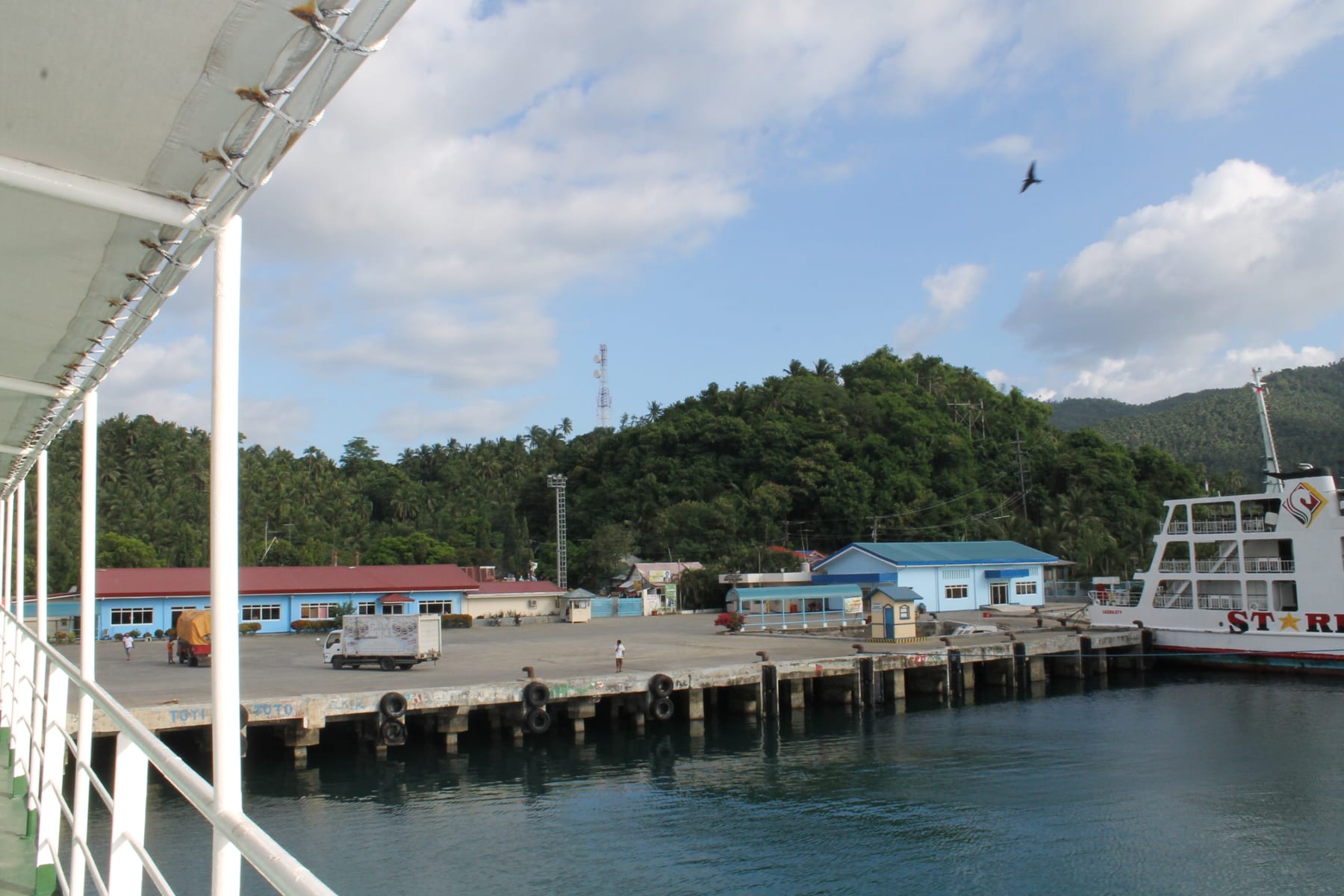
Getting to Marinduque from Manila is a one-day overland-plus-ferry trip. There's no scheduled commercial flight, no train, and no real shortcut — every traveler arriving from the capital uses some version of the same route: bus south to Lucena, RoRo ferry across the strait, then a tricycle or jeepney to the town they're staying in. The whole trip takes 7 to 9 hours door to door if everything connects cleanly.
The one welcome shortcut: JAC Liner now runs a single direct bus from Cubao that goes all the way to Sta. Cruz, Marinduque — the bus rolls onto the ferry with you on it, and you don't need to switch vehicles in Lucena. More on that below.
This guide walks through every option step by step, with the current 2026 fares, departure windows, and the small decisions that make a difference.
The short version
- The simplest option: JAC Liner direct from Cubao (Kamias) → Sta. Cruz, Marinduque. One departure daily at 4:00 PM, arrives Sta. Cruz around 11:00 PM. ₱1,300. Bus loads onto the RoRo with you on board.
- The DIY option: Bus from Manila to Lucena (₱300–₱500, 3–5 hours) → RoRo ferry from Dalahican Wharf to Port of Balanacan in Mogpog (around ₱550 per passenger, 3–4 hours; ₱4,060 for a regular car on Starhorse's posted 2026 rate sheet) → tricycle or jeepney to your destination town (₱30–₱500). The Balanacan ferry can now be booked online with GCash — game-changer for vehicle slots during Holy Week and other peak windows.
- Total time: 7–9 hours door to door, depending on connections.
If you're going to Sta. Cruz specifically (or you don't want the hassle of switching vehicles), take the JAC Liner direct. If you're heading anywhere else on the island — or you have flexibility on when you arrive — DIY is fine and usually cheaper.
Option 1 (Recommended): JAC Liner direct from Cubao to Sta. Cruz
The cleanest way to get to Marinduque from Metro Manila is JAC Liner's direct Cubao–to–Sta. Cruz, Marinduque service. The bus boards at Kamias Terminal in Cubao, drives south to Dalahican Wharf, rolls onto the RoRo ferry with passengers still on it, crosses to Marinduque, and continues overland to the Sta. Cruz terminal. Your bag stays in the same luggage compartment the whole time.
Schedule:
- Cubao → Sta. Cruz: Departs 4:00 PM, arrives ~11:00 PM (7 hours total, ferry crossing included)
- Sta. Cruz → Cubao: Departs 2:00 PM, arrives ~9:00 PM
Fare: ₱1,300 (AC Seater). Senior citizens, PWDs, and students get discounts with proper ID.
Terminals:
- Cubao: JAC Liner Kamias Terminal
- Sta. Cruz: JAC Liner Terminal Bus (in Sta. Cruz town proper)
Why this option: No bag-shuffling, no figuring out the ferry counter yourself, and a single ticket carries you all the way to Sta. Cruz. Especially worth it for first-time visitors and travelers heading to the eastern half of the island (Maniwaya Island, Palad Sandbar, Bagumbungan Cave, or any Sta. Cruz accommodation).
The catch: Only one departure each direction per day. If you miss the 4 PM, you're back to the DIY option.
Option 2: DIY — Bus to Lucena, then ferry
If JAC Liner's 4 PM departure doesn't fit your schedule, or you're heading somewhere other than Sta. Cruz, this is the standard journey:
Step 1: Manila to Lucena by bus
Multiple bus lines run Manila → Lucena daily, almost every hour, and the route is so well-served that you rarely need to book ahead.
The bus companies:
- JAC Liner — Cubao (Kamias) and Pasay (Buendia) terminals; aircon and regular service
- DLTB Co. — Cubao, Buendia, and PITX terminals; one of the most frequent operators
- JAM Liner — Buendia terminal; clean aircon service
Fares hover around ₱300–₱500 depending on the bus class, with travel time usually 3 to 5 hours depending on traffic out of Metro Manila. Friday and Sunday afternoons are the worst windows — leave earlier or later if you can.
Where exactly to get off:
Most buses to "Lucena" stop at Lucena Grand Terminal in central Lucena City. From there, you'll need a tricycle to Dalahican Wharf (about ₱50–₱80 per person, 10–15 minutes). A few bus trips run directly to Dalahican — the wharf itself — which saves the tricycle hop. Ask the conductor before boarding whether the trip terminates at Lucena Grand or continues to Dalahican.
If you're arriving in Lucena at an odd hour (late night, very early morning), the Dalahican terminus is more convenient since the ferries leave around the clock and you can walk straight from the bus to the ticket counter.
Step 2: Lucena to Marinduque by ferry
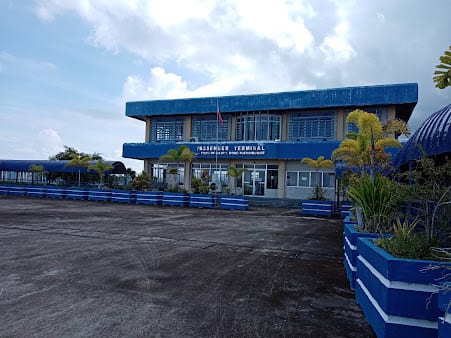
Dalahican Wharf is the main jumping-off point for ferries to Marinduque. Two shipping lines operate the primary passenger route to Port of Balanacan in Mogpog:
The two operators alternate schedules through the day, so during peak season the dock effectively has departures every 2–4 hours from before dawn until late at night. Starhorse's posted daily schedule (as of September 2026) is:
- Lucena → Balanacan: 2:30 AM · 5:30 AM · 10:30 AM · 2:30 PM · 6:30 PM · 10:30 PM
- Balanacan → Lucena: 6:30 AM · 9:30 AM · 11:30 AM · 4:30 PM · 6:30 PM
Montenegro fills in additional slots, and exact timings shift by operator and by season — Starhorse notes its schedule is "subject to change without prior notice."
Travel time: 3 to 4 hours across the Marinduque Strait, depending on weather and which boat is running.
Online booking is now available. As of 2026, Balanacan Port has an official online booking platform at balanacanport.online — book your seat (or vehicle slot), pay via GCash, Maya, or card, and arrive with a QR ticket. This is the cleanest option for Holy Week and other peak windows when the Dalahican counter is mobbed. Same fares as walk-up.
#### 2026 Fares (Dalahican → Balanacan)
Fares were most recently adjusted in September 2026, when Starhorse re-implemented a 20% Required Rate Adjustment (RRA) on passenger and rolling-cargo rates under MARINA Advisory 2026-023, citing sustained increases in global diesel prices. The figures below are Starhorse's current posted fares for the Lucena–Balanacan crossing; Montenegro sits in the same PPA-regulated band but can differ slightly.
Passenger fares:
The Philippine Ports Authority (PPA) caps the regulated regular-passenger rate at ₱600. With the September 2026 RRA, Starhorse's regular fare sits at ₱550, near the top of that band; Montenegro's fares run in the same range but can differ slightly.
Vehicle / cargo fares (Starhorse, 2026):
Starhorse Shipping Lines publishes a fixed rate sheet for the Lucena ↔ Balanacan vehicle and cargo route, priced by vehicle length. These are the posted 2026 rates:
For most travelers driving over, the relevant line is the 4.1–5.0 m bracket — a regular car, SUV, or pickup at ₱4,060. A motorcycle is ₱1,625, and a motorcycle with sidecar ₱2,435. These rates cover the vehicle itself; the driver and any passengers pay the passenger fare above separately, so budget the vehicle rate plus one passenger fare for each person on board. Montenegro's vehicle rates run in the same neighborhood but aren't always identical — confirm with whichever line you're sailing.
Critical caveat: fares shift more often than published schedules can keep up with. Always verify at the counter, by phone (Starhorse: 0995-515-9149, 0995-515-9319, 0948-548-0767, 0919-551-0581, or landline 042-710-7403), or via balanacanport.online before committing — especially for vehicle rates, which are the most volatile.
Buying tickets the day-of: Walk-up at the Starhorse or Montenegro counter at Dalahican Wharf still works fine — you queue, you pay, you board. Arrive at least an hour early during peak season (Holy Week, Christmas, long weekends). Off-peak, 30 minutes is usually enough. If you want to skip the queue entirely or you're driving a vehicle and want a guaranteed slot, book online via balanacanport.online instead.
On the ferry: RoRo ferries on this route are functional rather than fancy. Aircon and non-aircon seating, a small canteen for instant noodles and drinks, restrooms. Bring snacks if you're picky. Bring a jacket if you're sitting in the aircon section — ferry aircon can run cold.
Step 3: From Balanacan Port to your town
You'll arrive at Port of Balanacan in Mogpog, on the northern coast of Marinduque. Tricycles and small vans meet every incoming ferry. While you're at it, the Balanacan Shrine and Balanacan View Deck are both walkable from the port if you want a quick stop before pushing on.
By town, what to expect:
- Mogpog poblacion: Closest. Tricycle around ₱30–₱50, 10 minutes. See Mogpog places.
- Boac (provincial capital): ₱100–₱200 tricycle, about 20 minutes. Jeepneys also run this route for less. See Boac places.
- Gasan: Take a jeepney or van from Mogpog or Boac. About 30–40 minutes. ₱50–₱100. See Gasan places.
- Sta. Cruz: Jeepney northeast around the coast, about 30 minutes. ₱50–₱100. See Santa Cruz places.
- Torrijos: The farthest. Jeepney or van; 1–1.5 hours depending on route. ₱100–₱200. See Torrijos places.
- Buenavista: Southern Marinduque. Jeepney or van; about 1 hour from Boac. ₱100–₱200. See Buenavista places.
Special trips: If you've got a group, luggage, or you're arriving late and don't want to wait for a jeepney, you can hire a tricycle or van for a direct transfer. Expect ₱200–₱500 depending on town and group size. Drivers at Balanacan know the standard rates; haggling is reasonable but not necessary if the rate's fair.
The three ports — what actually works in 2026
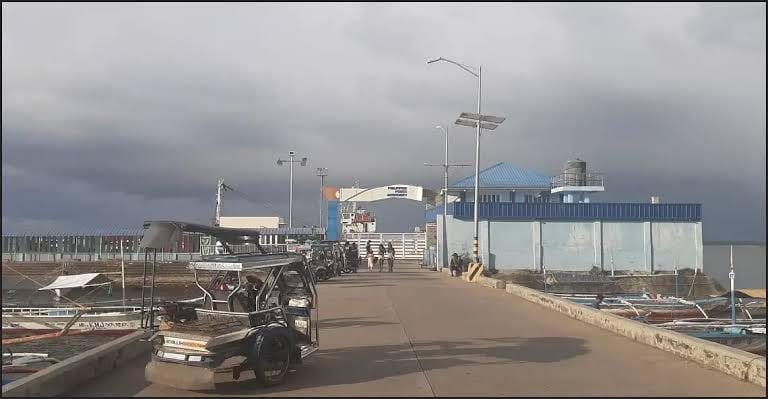
Marinduque is officially served by three ports. In practice, only two of them work for passenger travel right now:
Port of Balanacan (Mogpog) — the main one. Daily ferries from Lucena/Dalahican via Starhorse and Montenegro. This is where about 90% of incoming travelers arrive. Tricycle and jeepney connections to every town on the island.
Port of Buyabod (Sta. Cruz) — the secondary one. Two uses: arrivals from Oriental Mindoro (Pinamalayan route), and the main launch point for island-hopping bancas to Maniwaya Island, Mongpong Island, and Palad Sandbar. If your trip is built around the islands of Sta. Cruz, Buyabod is the closer arrival.
Cawit Port / Boac Pier (Boac) — mostly cargo and Romblon-route ferries; not practical for passenger travel from Manila right now. Third-party schedules still list a Lucena → Cawit passenger run on Mondays, Wednesdays, and Saturdays, but in practice the route is unreliable for walk-up passengers and the pier mainly handles cargo, LCT cargo vessels, and the Romblon (San Agustin / Banton / Simara / Sibuyan) ferries. Don't plan your Manila trip around Cawit — route to Balanacan instead. If you're hopping between Marinduque and Romblon, that's where Cawit is useful.
Alternative routes
Most travelers go through Lucena. A few don't:
From Oriental Mindoro (Pinamalayan): Montenegro runs a ferry from Pinamalayan Port to Buyabod Port (Sta. Cruz). Shorter crossing (2–3 hours), cheaper (₱180–₱300 passenger fare), and useful if you're already in Mindoro doing a longer Southern Tagalog loop. Typical departures 6:00 AM and 11:00 AM. The Gasan-Pinamalayan Ferry is also worth knowing if you want to cross from Mindoro into Gasan directly.
From Batangas: Not direct. You'd still need to route through Lucena or take the Mindoro option. Batangas Port is built for the Mindoro and Visayan ferries, not Marinduque.
By private car: Doable. Drive from Manila to Dalahican (SLEX → STAR Tollway → Pan-Philippine Highway, about 4–5 hours depending on traffic), park the car on the ferry, cross to Balanacan. Starhorse's posted 2026 rate for a regular car, SUV, or pickup (the 4.1–5.0 m bracket) is ₱4,060; locals report paying closer to ₱4,500 at the counter once minor handling and surcharges are added. The driver and passengers pay their passenger fares on top of that. Vehicle slots are first-come, first-served, so arriving early at the wharf matters more than it does for passengers-only — or book your vehicle slot ahead via balanacanport.online and skip the gamble.
From Romblon: Starhorse runs ferries from San Agustin, Banton, Simara, and Sibuyan in Romblon Province directly to Cawit Port in Boac. Useful if you're island-hopping the Calabarzon-Romblon-Marinduque triangle.
What about flying?
Marinduque has an airport — Marinduque Airport (MRQ) in Brgy. Masiga, Gasan. It's a real, paved airstrip. But there are no scheduled commercial flights as of 2026. Zest Airways was the last airline to fly the route, and they ceased Marinduque service in 2013 after retiring their Xian MA60 turboprop fleet.
The airport still operates for general aviation, private charters, and corporate flights. If you're chartering a private aircraft, it works. If you're a regular traveler, plan on the ferry (or the JAC Liner through-bus).
There have been on-and-off discussions about reopening commercial service over the years, but nothing concrete has materialized. The route demand isn't there yet at airline-fleet scale.
When to travel
Marinduque's travel year breaks roughly into three windows:
December to May — dry season. The best window. Calm seas, predictable ferries, comfortable weather for beaches and hiking. The Moriones Festival during Holy Week (March or April) is the island's biggest cultural event and the absolute peak of tourist traffic — book ferries, buses, and accommodations weeks ahead if you're targeting this window.
June to August — early rainy season. Habagat (southwest monsoon) starts. Expect afternoon thunderstorms and occasional ferry suspensions during typhoon warnings. Still travelable; just buffer extra time.
September to November — typhoon season. Ferries can be suspended for days at a stretch during a strong typhoon. If you're traveling in this window, watch the weather forecast and have a flexible return date.
The Philippine Coast Guard suspends all ferry operations when weather signals go up, and Marinduque Strait gets choppy. Live port updates are useful here — check before you set out for Dalahican.
Practical tips
A few things worth knowing before you go:
- Cash matters. The bus terminal and ferry counter take cash; bring small bills for the tricycle and jeepney connections on the Marinduque side.
- Buy ferry tickets the morning of, not days ahead. Walk-up sales are the norm. Pre-booking exists for some routes but isn't widely used. Just show up at the counter. (JAC Liner direct is the exception — book that one ahead via their Facebook page or Lucena Grand Terminal.)
- Holy Week is the exception to walk-up. Tickets and accommodations sell out during Moriones. Book everything weeks in advance for that window.
- Bring a light jacket. Ferry aircon and the night-time bus rides can be cold.
- Bring something to read or download offline. The Manila-Lucena bus stretch has signal but the ferry crossing often loses it once you're in open water.
- Pack lighter than you think. Marinduque's tricycles are tight and you'll be hopping between bus, ferry, and tricycle. A single backpack or duffel beats a roller suitcase.
- Don't plan around Cawit Port for passengers. Despite published schedules, the Lucena → Cawit passenger route is not currently reliable for walk-up travelers. Route through Balanacan instead.
That's the full journey. Long, but mechanical once you've done it once. Most travelers find the bus + ferry combo charming after the first trip — there's something about the strait crossing that resets the city pace and signals that you've actually left Metro Manila behind.
Sources: Starhorse Shipping Lines — official Lucena–Balanacan cargo/vehicle rate sheet (2026, posted via Facebook), Balanacan Port e-Transact (official PPA fare matrix + online booking), Pamasahe — JAC Liner Cubao to Sta. Cruz Marinduque schedule, Pamasahe — Starhorse Lucena to Balanacan, Pamasahe — Montenegro Lucena to Balanacan, Marinduque Market Hub Ferry Schedule 2026, PortCalls Asia — local shipping lines raise rates, Mogpog LGU — How to Get to Marinduque, Marinduque Airport (Wikipedia). Marinduque Guide place pages: Port of Balanacan, Port of Buyabod, Boac Pier / Cawit Port, Gasan-Pinamalayan Ferry, Balanacan Shrine, Balanacan View Deck.