What to Eat in Marinduque: The Food & Pasalubong Guide (2026)
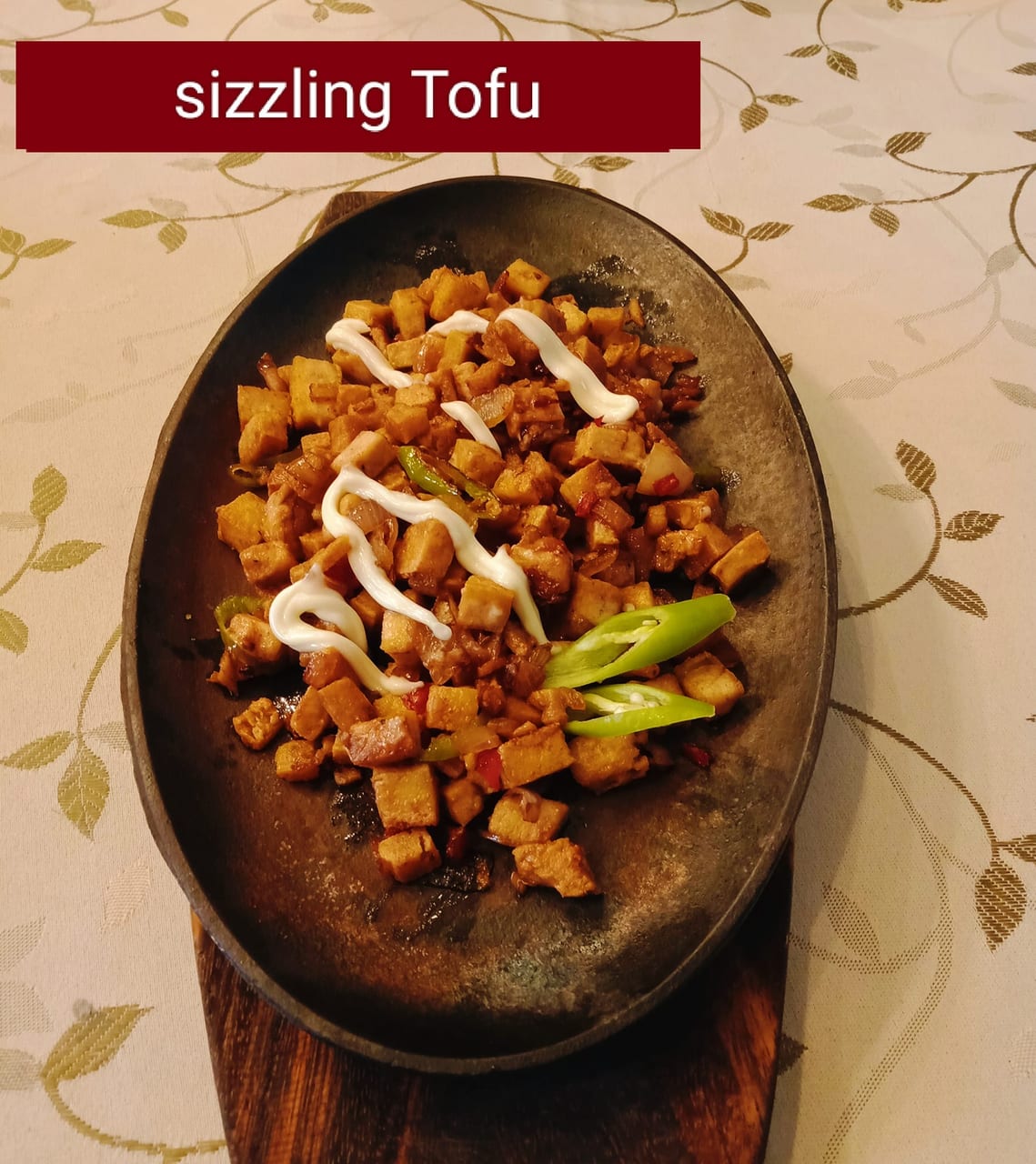
Marinduque calls itself the Heart of the Philippines, and its food tastes the part — unhurried, home-style, and built around three local staples: coconut milk (gata), arrowroot flour, and whatever the fishermen and mangroves brought in that morning. There's no flashy restaurant scene here. The good stuff is in ancestral-house dining rooms, small-town cafés, public-market stalls, and the pasalubong boxes everyone carries onto the ferry home.
This is a guide to what those things actually are — the savory dishes, the native sweets, and the souvenirs worth queuing for — and where to find them across the island.
The savory dishes to try
Adobo sa gata. Marinduque's take on the national dish swaps some of the sharp vinegar tang for coconut milk, giving the adobo a creamy, mellow, almost velvety sauce. If you only try one "local version of a dish you already know," make it this one. (See Adobo sa Gata.)
Kari-kari — and no, that's not a typo for kare-kare. This is a genuine heritage dish and one of the island's most distinctive. Marinduque's kari-kari is made from banana blossoms (puso ng saging) simmered with pork innards and blood in rich coconut milk — closer to a dinuguan-adjacent stew than the peanut-sauce kare-kare of the mainland. It's the kind of dish you come to Marinduque specifically to eat. (Kari-kari; a reliable place to order it is Cafe Ma'mita in Boac.)
Mánakla. A prized native crustacean — a mangrove-dwelling pistol (snapping) shrimp with a single oversized pincer, harvested around the wetlands of Santa Cruz and Torrijos. It shows up in coconut-based dishes and is one of those "only here" flavors. Ask around for it in season. (Mánakla sa Gatâ.) Adventurous eaters can also look for kagang, the local land crab.
Marinduque miki. The province is quietly famous for its fresh miki noodles, which hold their bite when cooked and carry a flavor of their own — a simple, satisfying bowl you'll find in markets and carinderias. (Miki Noodles.)
For the truly curious: adobong kabayo. In Buenavista, horse-meat adobo is a genuine local specialty. It's not for everyone, but it's authentically Marinduqueño. (Adobong Kabayo.)
And of course, being an island, the seafood is fresh, plain, and excellent — grilled fish, shellfish, and whatever came off the boat, usually best enjoyed at a beachside eatery.
The native sweets and kakanin
Marinduque's kakanin (rice cakes and native snacks) lean heavily on glutinous rice, coconut, and arrowroot, and several are unique to the province.
Bibingkang lalaki (a.k.a. Bibingkang Boac). A large disc of bibingka traditionally cooked over coconut husk. Its nickname comes from the eggs worked into the batter, and it uses coconut wine (tuba) instead of yeast, which keeps the inside moist. (Bibingkang Lalaki.)
Tininta suman. Marinduque's striking purple suman, made from violet glutinous rice. Locals pair it with sampililok — a caramel-colored sweet sauce of coconut cream and matamis na bao (coconut jam). Sticky, sweet, and photogenic.
Bibingkang pinahiran. Think biko finished with a sweet coconut topping — dense, rich, and made for slow afternoons. (Bibingkang Pinahiran.)
Kalamay-dampa. Another coconut-and-purple-rice sweet in the same family of sticky island treats. (Kalamay-dampa.)
Panganan. Crisp fried "fingers" made from arrowroot flour — proof of how central arrowroot is to Marinduque's kitchens. (Panganan.)
Pasalubong: what to bring home
If you take home one thing from Marinduque, make it uraró.
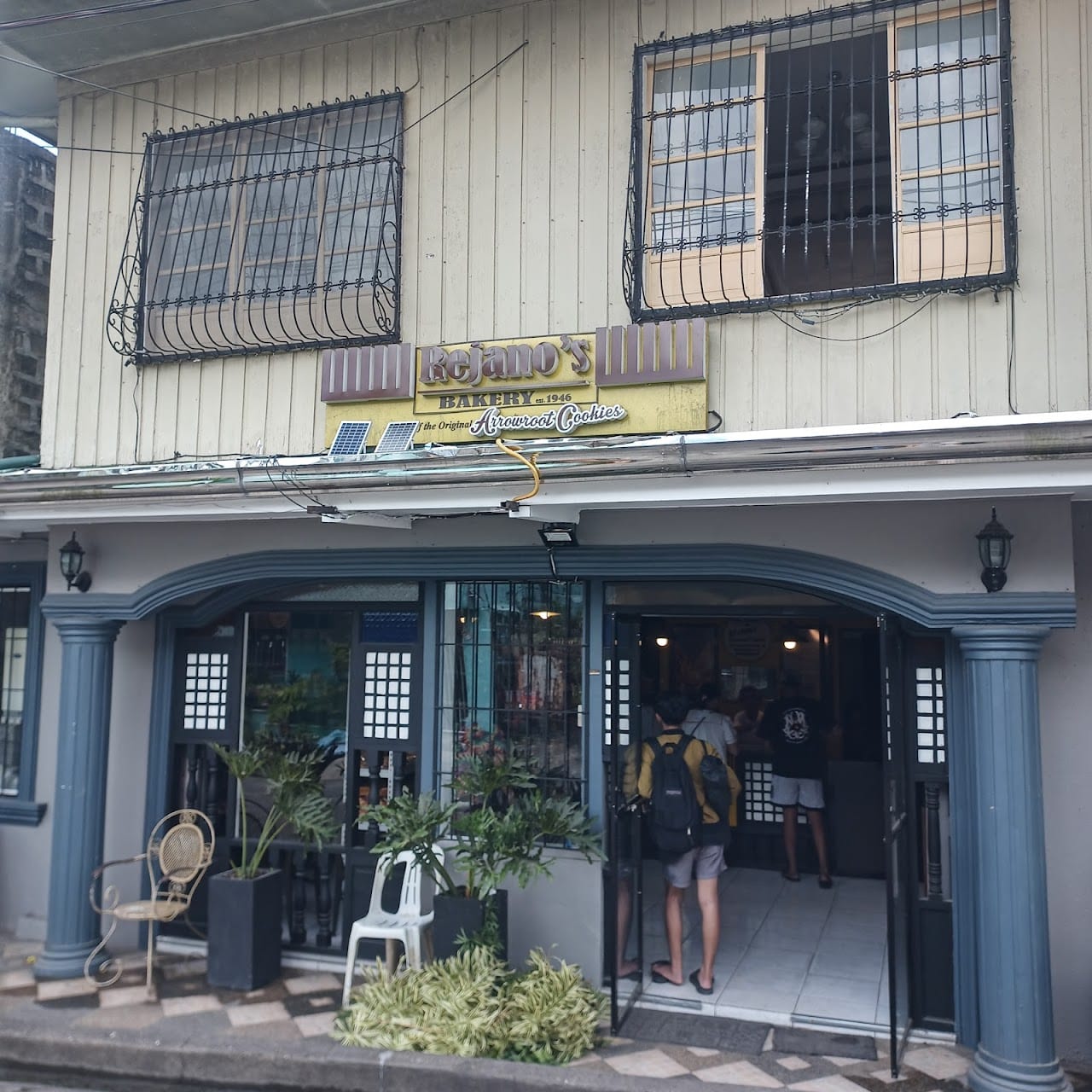
Uraró (arrowroot cookies). These are the island's signature pasalubong — dry, powdery, bite-sized, flower-shaped cookies made from arrowroot flour that seem to dissolve the moment they hit your tongue. The most famous name is Rejano's Bakery in Boac, a decades-old institution that's been turning out uraró for generations; you'll also find quality boxes at the Cafe Ma'mita pasalubong counter. They come in original and pinipig flavors, in boxes and canisters sized for gifting. (Uraró Cookies.)
Vacuum-fried dilis. A crunchier, more modern take-home snack out of Mogpog — anchovies fried crisp and packed for the road. (Vacuum-fried Dilis.)
Kakanin to go. Many of the sweets above — tininta suman, bibingka, kalamay — also travel well for a day or two if you're heading straight home. Buy them fresh from a market or pasalubong center on your last morning.
Where to eat
You won't find a big dining district — the pleasure here is in a handful of characterful spots:
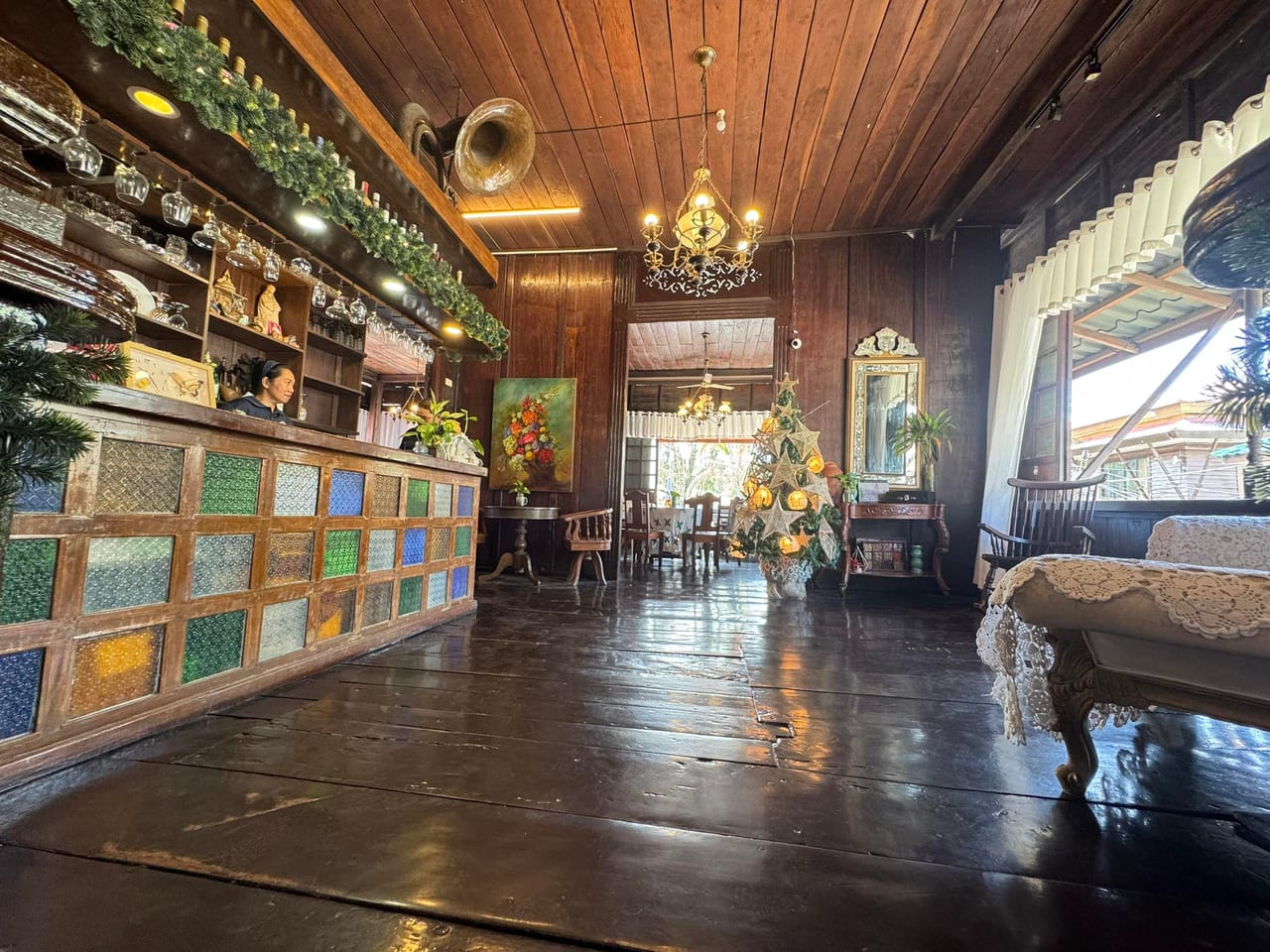
- Casa de Don Emilio (Boac) — an ancestral home turned restaurant, and the go-to for local takes on Filipino classics in a heritage setting.
- Cafe Ma'mita (Boac) — beloved for its kari-kari and doubling as a pasalubong shop; a smart one-stop for a taste and a takeaway.
- Rejano's Bakery (Boac) — the uraró institution, and a fine stop for bread and merienda.
- Bricks & Coals (Boac) — a more contemporary bite when you want pizza or comfort food.
- Kamayan sa Hardin (Santa Cruz) — hearty, garden-style kamayan eating on the island's east side.
- Ludy's Original Halo-Halo (Torrijos) — the classic cool-down after a day at Poctoy White Beach.
- Roger's Cafe and Grill (Gasan) — an easy grill-and-coffee stop on the west coast.
A few practical tips
- Carry cash. Marinduque runs largely on cash, and most carinderias, market stalls, and pasalubong sellers won't take cards. Plan your food budget alongside the rest of your trip — see our Marinduque trip-cost breakdown.
- Order ahead for the special stuff. Kari-kari, freshly cooked kakanin, and larger uraró orders are often best reserved a day early, especially during Holy Week and fiesta season.
- Buy pasalubong last. Grab your boxes on your final morning so they travel fresh, and give yourself a little buffer before the ferry.
- Eat where the island points you. The best meals tend to be simple and local — a beachside grill, a market bowl of miki, a slab of bibingka. Follow that instinct over anything fancy.
Hungry for the rest of the trip? Pair this with our guides to the best tourist spots in Marinduque, the DOT-accredited places to stay, and how to get to Marinduque from Manila.